Best Remote Learning Programs For Working Professionals are shaping the future of education, making it possible for individuals to enhance their skills and knowledge while managing their careers. In today’s fast-paced world, the significance of these programs cannot be overstated as they offer flexibility and accessibility that traditional learning often cannot match. With diverse options tailored to various industries, these programs cater to the unique needs of professionals, enabling them to thrive in their fields.
Effective remote learning programs have key features such as interactive content, expert-led sessions, and robust assessment methods that keep learners engaged. However, working professionals frequently face challenges like time management and distractions, which can hinder their learning experience. Understanding these dynamics is crucial for anyone looking to succeed in the evolving landscape of education.
Overview of Remote Learning Programs
Remote learning programs have gained significant traction, especially among working professionals who seek to enhance their skills without disrupting their careers. These programs provide flexibility, enabling individuals to learn at their own pace while balancing job responsibilities. As the demand for continuous education grows, remote learning has become a vital tool for professional development in various fields.Effective remote learning programs are characterized by several key features that enhance the overall learning experience.
First, they offer a blend of synchronous (real-time) and asynchronous (on-demand) learning options, accommodating different schedules and learning styles. Additionally, they should provide interactive elements such as discussion forums, virtual classrooms, and collaborative projects to foster engagement among learners. The use of cutting-edge technology facilitates a seamless learning experience, ensuring that resources are easily accessible and user-friendly.
Main Features of Effective Remote Learning Programs
When evaluating the effectiveness of remote learning programs, it’s important to consider the features that contribute to a productive learning environment. These features include:
- Flexibility: Programs designed to fit into the busy schedules of working professionals allow them to juggle work and learning without added stress.
- Accessible Resources: Online libraries, recorded lectures, and downloadable materials provide learners with valuable resources that can be accessed anytime, anywhere.
- Interactive Learning: Engaging activities such as quizzes, forums, and group projects enhance understanding and retention of material.
- Real-World Applications: Courses that incorporate case studies and practical examples help professionals relate the content to their jobs, making learning more relevant.
- Support Systems: Availability of mentors, tutors, and tech support ensures that learners receive guidance and assistance whenever needed.
Challenges Faced by Working Professionals in Remote Learning Environments
Despite the advantages, working professionals encounter certain challenges when participating in remote learning programs. Understanding these obstacles is crucial for both learners and educational institutions to enhance the remote learning experience.The main challenges include:
- Lack of Structure: Unlike traditional classrooms, remote learning may lack a structured environment, making it difficult for some professionals to stay motivated and disciplined.
- Time Management: Balancing work commitments with study time can create conflicts, leading to stress and potential burnout.
- Technology Issues: Not all professionals have access to reliable internet or the necessary devices, which can hinder their learning experience.
- Isolation: The absence of in-person interaction can result in feelings of isolation, impacting the learning journey and networking opportunities.
- Self-Motivation: Remote learning requires a higher level of self-discipline, as professionals must take initiative to engage with the material and complete assignments.
Types of Remote Learning Programs
Remote learning programs have become increasingly popular among working professionals, offering flexibility and accessibility to enhance their skills and knowledge. These programs cater to various learning styles and schedules, making it easier for individuals to balance their education with their careers. Below are some prominent types of remote learning programs available today.
Variety of Remote Learning Programs
The landscape of remote learning is diverse, with several formats catering to different needs and preferences. Understanding the different types can help professionals select the program that best suits their goals.
- Online Degree Programs: These programs allow working professionals to pursue bachelor’s or master’s degrees entirely online, offering a structured curriculum similar to traditional university courses.
- Certification Programs: Shorter than degree programs, certification courses focus on specific skills or knowledge areas, enabling professionals to enhance their qualifications quickly.
- Workshops and Bootcamps: Intensive and often short-term, these programs provide hands-on experience and practical training in specific fields, such as coding or data science.
- Webinars and Virtual Conferences: These are live or recorded events where experts share knowledge on industry trends, innovations, or skills, often with opportunities for interaction.
- Self-paced Online Courses: Designed for individual learners, these courses allow professionals to progress through the material at their own speed, fitting their learning around work commitments.
Self-Paced versus Instructor-Led Courses
The choice between self-paced and instructor-led courses can significantly impact the learning experience. Each has its own set of benefits and drawbacks.
“Self-paced courses offer flexibility, while instructor-led courses provide structured guidance.”
- Benefits of Self-Paced Courses:
- Flexibility to learn anytime, anywhere, making it easier to balance with work.
- Ability to revisit challenging topics as needed, reinforcing learning.
- Self-motivation and discipline can enhance time management skills.
- Drawbacks of Self-Paced Courses:
- Less direct support and feedback from instructors, which may hinder understanding.
- Potential for procrastination, leading to incomplete courses.
- Isolation from peers, missing out on collaborative learning opportunities.
- Benefits of Instructor-Led Courses:
- Structured learning environment with scheduled classes can boost accountability.
- Immediate feedback and support from instructors can enhance comprehension.
- Opportunities for networking and collaboration with peers in real-time.
- Drawbacks of Instructor-Led Courses:
- Less flexibility, requiring professionals to adhere to a set schedule.
- May not suit all learning styles, particularly for those who prefer to learn at their own pace.
- Potentially higher costs associated with some instructor-led programs.
Industries Benefiting from Remote Learning Programs
Various industries have embraced remote learning programs to upskill their workforce and meet evolving market demands.
- Technology: With rapid advancements, tech professionals benefit from online courses in programming, cybersecurity, and data analytics to remain competitive.
- Healthcare: Medical professionals engage in remote training for certifications, keeping up with new treatments and technologies.
- Finance: Finance professionals often participate in online courses to understand new regulations, financial modeling, and investment strategies.
- Education: Educators utilize remote learning programs to enhance teaching methods and integrate technology into their classrooms.
- Marketing: Marketing professionals take advantage of remote learning to understand digital marketing trends, social media strategies, and consumer behavior analytics.
Key Platforms for Remote Learning

Source: geteducated.com
Remote learning has transformed the education landscape, especially for working professionals seeking to enhance their skills and knowledge without disrupting their careers. With numerous platforms available, identifying the best options tailored to individual needs is essential. This section will delve into the top platforms that offer remote learning programs specifically designed for professionals, comparing their features, course offerings, and user feedback.
Comparison of Popular Platforms
Several prominent platforms stand out in the realm of remote learning for professionals. Each platform has distinctive characteristics that cater to different learning preferences and professional needs. Below is an overview of three leading platforms: Coursera, Udemy, and LinkedIn Learning, which are renowned for their robust offerings.
| Platform | Pricing | Course Variety | User Ratings |
|---|---|---|---|
| Coursera | Free courses available; Specializations from $39/month | 4,000+ courses across various fields | 4.6/5 based on user feedback |
| Udemy | Courses typically range from $19.99 to $199.99 | Over 150,000 courses in diverse categories | 4.5/5 based on user reviews |
| LinkedIn Learning | $29.99/month with a free trial available | 16,000+ courses focused on business and tech skills | 4.7/5 based on user ratings |
This comparison highlights the pricing structures, course offerings, and user satisfaction for each platform. Each option provides unique advantages: Coursera is known for its collaboration with universities, Udemy offers a vast range of courses at affordable prices, and LinkedIn Learning integrates seamlessly with professional networking and career development tools.
“Remote learning platforms empower professionals to gain new skills and knowledge while maintaining their work-life balance.”
Essential Skills for Remote Learning Success: Best Remote Learning Programs For Working Professionals
Remote learning offers a flexible and accessible way for working professionals to enhance their skills and knowledge. However, succeeding in this environment requires specific skills that go beyond traditional classroom learning. Adapting to remote learning means cultivating self-management abilities to thrive amidst distractions and balancing various commitments.One of the most crucial skills for remote learning is effective time management. This encompasses the ability to prioritize tasks, set realistic deadlines, and allocate time efficiently.
Self-discipline is equally important, as learners need to stay motivated without the structure of a physical classroom setting. Developing these skills can significantly impact a professional’s ability to absorb new information and complete assignments on time.
Improving Time Management and Self-Discipline
To excel in remote learning, professionals should adopt various strategies aimed at enhancing their time management and self-discipline. These strategies help structure the learning process and foster a productive learning environment.Establishing a consistent daily routine is foundational. This routine should include specific blocks of time dedicated to study, breaks, and personal tasks. Utilizing tools such as calendars and planners can help in visualizing the day’s tasks and commitments.
Additionally, creating a dedicated workspace free from distractions can bolster focus. This space should be organized and equipped with all the necessary materials to minimize interruptions. Furthermore, professionals can implement the Pomodoro Technique, which involves working in short, focused bursts followed by brief breaks. This method not only enhances concentration but also helps in avoiding burnout.Here are some effective resources and tools that can enhance learning effectiveness:
- Todoist: A task management app designed to help users track their responsibilities, deadlines, and daily goals effectively.
- Google Calendar: An organizational tool that aids in scheduling study sessions and reminders for deadlines.
- Trello: A visual collaboration tool that allows users to organize tasks and projects, making it easier to stay on track.
- Focus@Will: A music service that provides focus-enhancing music designed to improve concentration during study periods.
- Slack: A communication platform that facilitates collaboration with peers or groups, which can be vital for group projects and discussions.
Integrating these tools into daily routines can significantly elevate a professional’s ability to manage their workload.
“Success in remote learning is achieved through structured time management and unwavering self-discipline.”
By focusing on these essential skills and employing effective strategies and resources, working professionals can navigate the challenges of remote learning and enhance their educational outcomes.
Creating an Effective Learning Environment
Creating an effective learning environment is crucial for working professionals engaging in remote learning. A well-structured and personalized workspace enhances focus, motivation, and productivity. By optimizing your home office setup and minimizing distractions, you can create a space that fosters learning and personal growth while balancing work commitments.
Ideal Home Office Setup for Remote Learning
An effective home office setup plays a significant role in facilitating remote learning. The following elements can help you establish an ideal workspace that promotes concentration and comfort:
- Ergonomic Furniture: Invest in a comfortable chair and desk that support good posture. Ergonomic options can help prevent discomfort during extended study sessions.
- Good Lighting: Natural light is ideal, but if that’s not possible, opt for adjustable, soft lighting to reduce eye strain and create a pleasant ambiance.
- Technology: Ensure reliable internet connectivity and equip your workspace with necessary devices such as a computer, webcam, and microphone for video calls and online classes.
- Personal Touches: Add elements that inspire you, such as motivational quotes, plants, or artwork. Personalizing your space can make it more inviting.
- Organizational Tools: Utilize shelves, organizers, and tools to keep your learning materials tidy and accessible, reducing the time spent searching for items.
Minimizing Distractions During Remote Learning Sessions
Distractions can severely hinder your learning experience. Here are strategies to create a focused learning atmosphere:
- Designate a Learning Zone: Clearly define an area in your home solely for learning. This physical separation from personal space can help signal your brain to focus.
- Set Boundaries: Communicate your schedule with housemates or family to minimize interruptions during your study time.
- Limit Technology Distractions: Turn off notifications on your phone and computer. Using apps that block social media during learning sessions can also help maintain focus.
- Establish a Routine: Create a consistent schedule that mimics a traditional classroom environment. Routines can help condition your mind to focus during designated learning times.
- Use Background Noise Wisely: Some people focus better with background noise. Consider using white noise machines or calming music to drown out distracting sounds.
Checklist for an Engaging Remote Learning Experience
Having the right tools at your disposal can significantly enhance your remote learning experience. Here’s a checklist of essential items to prepare:
- Notebooks and Writing Utensils: Keep a dedicated notebook for each subject or course, along with pens and highlighters to take notes effectively.
- Learning Materials: Gather textbooks, articles, and any required readings in one accessible location.
- Study Aids: Consider flashcards, study guides, or educational apps that can assist in reinforcing learning.
- Water and Snacks: Staying hydrated and energized is crucial. Keep water and healthy snacks nearby to maintain focus during study sessions.
- Headphones: Invest in a good pair of noise-canceling headphones to enhance audio quality during online classes and discussions.
“Creating a dedicated space for learning not only improves focus but also helps in mentally separating work and study, leading to better retention of information.”
Networking Opportunities in Remote Learning
Networking plays a crucial role in remote learning environments, enabling working professionals to form valuable connections, share insights, and foster collaborations. In a world where physical distance can hinder traditional networking, remote learning programs provide unique opportunities to engage with peers and industry experts virtually. Building a network can enhance career prospects, facilitate knowledge exchange, and create a sense of community.Establishing relationships in a remote setting requires intentionality and proactive engagement.
It is important to leverage technology and online platforms to connect with fellow learners and professionals. Here are some effective strategies for building relationships from a distance:
Strategies for Building Relationships
Building meaningful connections remotely can be achieved through various approaches. Consider these strategies to enhance your networking efforts:
- Participate actively in discussion forums and course-related chats. Sharing insights and asking questions can spark engaging conversations.
- Utilize social media platforms such as LinkedIn to connect with classmates and industry professionals. Engage with their content to foster deeper relationships.
- Join virtual study groups or online meetups focused on specific topics. Collaborating with peers can lead to lasting connections.
- Attend webinars and online workshops related to your field. These events often provide opportunities to interact with speakers and fellow attendees.
- Follow up with your peers after courses or events. A simple message expressing your appreciation for their insights can lay the groundwork for future interactions.
Connecting with others who share similar interests is vital for professional growth. To facilitate this, here is a list of online communities and forums where remote learners can network effectively:
Online Communities and Forums for Remote Learners, Best Remote Learning Programs For Working Professionals
Engaging with specialized online communities can amplify networking opportunities. These platforms cater specifically to remote learners:
- LinkedIn Groups: Join groups related to your industry or interests to connect with professionals and engage in discussions.
- Reddit: Subreddits like r/learnprogramming or r/education offer a space for learners to share resources and experiences.
- Discord: Many educational communities have Discord servers where members can chat in real-time and share knowledge.
- Slack Communities: Platforms like Slack host various channels dedicated to specific professional fields, allowing for easy networking.
- Meetup: Virtual meetups and networking events can connect you with local and international professionals.
By nurturing relationships and actively participating in these communities, remote learners can significantly enhance their networking journey, paving the way for future opportunities and collaborations.
Evaluating Program Effectiveness
Source: growrk.com
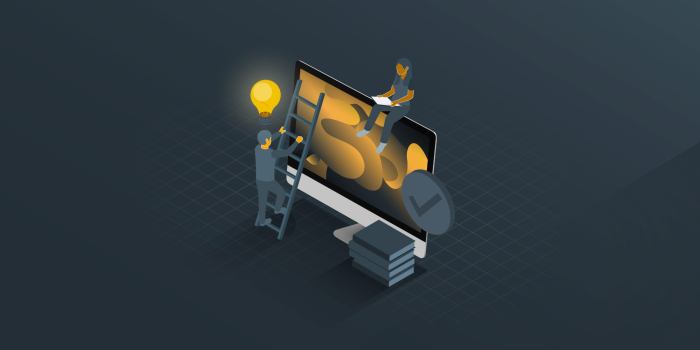
Assessing the effectiveness of remote learning programs is crucial for working professionals who invest their time and resources into enhancing their skills. Evaluating these programs not only helps in understanding their impact but also in making informed decisions about future investments in education. A systematic approach to evaluation can lead to improved learning experiences and outcomes.Several methods can be utilized to assess the effectiveness of remote learning programs.
Key among these methods are surveys, assessments, and performance metrics. Gathering feedback from participants is essential, as it provides insight into the learning experience. This feedback can be complemented by analyzing completion rates, participant engagement levels, and post-training performance improvements in the workplace.
Key Metrics for Evaluating Program Success
Identifying key metrics is vital for measuring the success of remote learning programs. These metrics provide a tangible way to quantify the effectiveness of the learning experience. Below are important metrics to consider:
- Completion Rate: The percentage of participants who complete the program as intended. A high completion rate indicates that the program holds participants’ interest and is engaging.
- Participant Satisfaction: Measured through post-program surveys, this metric assesses how satisfied participants are with the content, delivery, and overall experience of the program.
- Knowledge Retention: Evaluating participants’ ability to recall and apply knowledge gained during the program is essential to determine its effectiveness.
- Performance Improvement: Monitoring changes in job performance or productivity after completing the program can highlight its practical benefits.
- Return on Investment (ROI): Calculating the financial return from the improvements seen post-training compared to the costs involved in the program gives insight into its value.
Understanding these metrics helps organizations refine their training programs and align them more closely with the professional development goals of their employees.
Feedback Trends from Participants
Collecting participant feedback is essential for enhancing remote learning programs. It not only identifies strengths and weaknesses but also uncovers trends in participant experiences. Below is a table showcasing feedback trends from various programs, highlighting aspects like content relevance, delivery effectiveness, and overall satisfaction.
| Program Name | Content Relevance | Delivery Effectiveness | Overall Satisfaction | Recommendations |
|---|---|---|---|---|
| Program A | 85% | 90% | 88% | 75% |
| Program B | 78% | 85% | 80% | 70% |
| Program C | 92% | 93% | 95% | 90% |
Gathering and analyzing feedback trends helps in continuous improvement of remote learning programs, ensuring they meet the evolving needs of working professionals.
Future Trends in Remote Learning
Source: elearningindustry.com
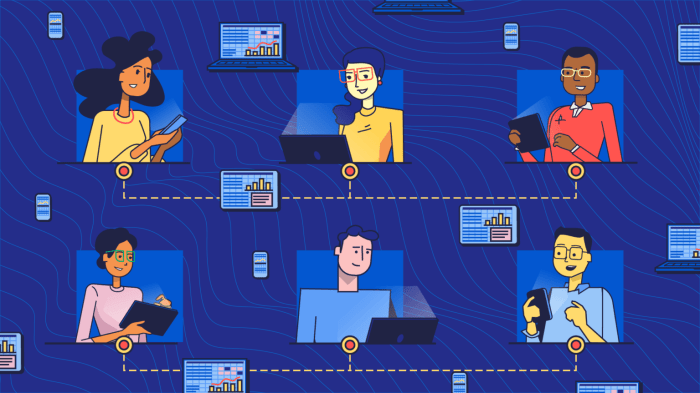
The landscape of remote learning continues to evolve, presenting exciting opportunities for working professionals. As technology advances and learning methodologies adapt, understanding future trends can help individuals and organizations stay ahead of the curve. This section explores emerging trends, the role of technology, and predictions about how remote learning programs will transform in the years to come.
Emerging Trends in Remote Learning
Remote learning is being reshaped by various trends that cater to the diverse needs of professionals. These trends include personalized learning experiences, increased collaboration, and a focus on soft skills.
- Microlearning: This trend emphasizes bite-sized learning modules designed for quick consumption, allowing busy professionals to acquire knowledge efficiently.
- Gamification: Incorporating game design elements into learning can enhance engagement and motivation, making learning more enjoyable and effective.
- Social Learning: Utilizing social media and collaborative platforms promotes peer-to-peer learning, where professionals can share insights and experiences.
The Role of Technology in Remote Learning
Technology plays a significant role in enhancing remote learning experiences. Emerging technologies like Artificial Intelligence (AI) and Virtual Reality (VR) are at the forefront of this transformation.
- Artificial Intelligence: AI can personalize learning paths based on individual progress and preferences, making educational content more relevant and effective. For instance, AI-driven platforms can analyze user performance and suggest tailored resources.
- Virtual Reality: VR offers immersive learning experiences that can simulate real-world scenarios, particularly beneficial in fields like healthcare, engineering, and training. This technology allows learners to practice in a safe environment, enhancing skill acquisition.
- Augmented Reality: Similar to VR, AR brings interactive elements into the learning process, allowing professionals to visualize complex concepts and engage with materials in a more dynamic way.
Predictions for the Evolution of Remote Learning Programs
Looking ahead, remote learning programs are expected to become more integrated, accessible, and adaptive. These predictions highlight the potential transformations:
- Increased Flexibility: Programs will likely offer greater flexibility, allowing learners to choose when and how they engage with content, catering to various schedules and learning styles.
- Integration of Work and Learning: Companies may adopt a more integrated approach to employee development, blending on-the-job training with remote educational programs to enhance skill relevance.
- Focus on Lifelong Learning: The emphasis on continuous professional development will drive demand for programs that support ongoing learning beyond initial qualifications, ensuring professionals remain competitive in their fields.
“The future of remote learning holds immense potential, driven by technology and the need for adaptability in a rapidly changing job market.”
Summary
In conclusion, the landscape of remote learning for working professionals is rich with opportunities and challenges alike. As we explore the various programs and platforms available, it becomes clear that with the right approach and resources, professionals can significantly advance their careers. Embracing these learning options not only equips individuals with essential skills but also fosters connections within a broader professional community.
FAQ Resource
What are the main benefits of remote learning programs?
Remote learning programs provide flexibility, accessibility, and personalized learning experiences that fit into busy schedules.
How do I choose the right remote learning program for my career?
Consider industry relevance, course content, platform reputation, and user reviews when selecting a program.
Are there any accreditation issues with remote learning programs?
Some programs may not be accredited; it’s essential to verify accreditation for better job market acceptance.
Can I network while participating in remote learning programs?
Yes, many programs offer networking opportunities through forums, group projects, and live sessions.
What skills are most important for succeeding in remote learning?
Time management, self-discipline, and effective communication skills are crucial for remote learning success.
