Professional Certification Programs Online For Beginners are a fantastic gateway for those looking to enhance their skills and advance their careers in today’s fast-paced job market. These programs offer essential training in various fields, providing beginners with a solid foundation and recognized credentials that can open doors to new opportunities.
Whether you’re interested in technology, healthcare, or business, online certification programs are designed to be accessible and flexible, allowing learners to study at their own pace. With numerous options available, finding the right program that fits your goals has never been easier.
Overview of Professional Certification Programs
Professional certification programs are structured learning experiences designed to validate an individual’s skills and knowledge in a specific field. They hold significant value for beginners as they provide an opportunity to gain formal recognition of their competencies, which can enhance employability and credibility in a competitive job market. These programs often cater to various industries, ensuring that individuals can find suitable certifications that align with their career aspirations.A range of fields offers certification programs that are particularly beneficial for beginners.
Some of the most common sectors include information technology, healthcare, project management, finance, and education. Each of these industries recognizes the importance of certified professionals and provides a pathway for newcomers to establish their expertise. The availability of online options further broadens access, allowing learners to engage with course materials at their convenience.
Typical Structure of a Professional Certification Program
Professional certification programs generally follow a structured curriculum that guides learners through the essential concepts and skills needed for their chosen field. The typical components of these programs can include the following elements:
- Coursework: A series of modules or classes covering foundational and advanced topics relevant to the certification.
- Examinations: Evaluative tests designed to assess the knowledge and skills acquired during the coursework, which may be required to pass for certification.
- Practical Experience: Many programs require hands-on projects or internships to apply theoretical knowledge in real-world scenarios.
- Continuing Education: Some certifications necessitate ongoing learning to maintain the credential, ensuring professionals stay updated with industry changes.
The structure not only equips learners with relevant skills but also prepares them for the workforce by emphasizing practical applications of knowledge.
Professional certifications are increasingly recognized as a benchmark of skill in various industries, making them a valuable asset for those starting their careers.
Benefits of Online Professional Certification Programs
Online professional certification programs have transformed the landscape of learning, especially for beginners stepping into new fields. These programs offer unparalleled flexibility and accessibility, making them an attractive alternative to traditional classroom settings. As the digital world continues to evolve, online certifications provide an opportunity for individuals to gain valuable skills and credentials at their own pace, without the constraints of location or rigid schedules.
The advantages of pursuing certification online are manifold. First and foremost, online programs typically allow for greater flexibility, enabling learners to balance studies with personal and professional commitments. Additionally, participants can learn from a diverse range of instructors and peers from different geographical locations, enriching their educational experience. Furthermore, studies show that online learning can be highly effective for beginners; for instance, a report from the Online Learning Consortium found that 70% of online learners feel more engaged in their studies than in traditional settings.
Industries Benefiting from Online Certification Programs
Several industries have embraced online professional certification programs, successfully leveraging them to enhance workforce skills and knowledge. These sectors recognize the importance of continuous learning and upskilling to remain competitive in today’s fast-paced environment. The following industries exemplify the benefits of online certifications:
- Information Technology: With the rapid advancement of technology, IT professionals often pursue certifications in programming languages, cybersecurity, and cloud computing to stay relevant and enhance their employability.
- Healthcare: Online certification programs in healthcare fields, such as medical coding, telemedicine, and health informatics, provide essential training for individuals looking to enter this vital and growing sector.
- Business Management: Certifications in project management, digital marketing, and data analysis are increasingly sought after, as they equip professionals with the skills needed to thrive in the competitive business landscape.
- Education: Educators benefit from online certifications in instructional design, technology integration, and special education, allowing them to enhance their teaching strategies and methodologies.
Online professional certification programs have proven to be a vital resource across various industries. They empower individuals to acquire new skills and demonstrate their competencies, ultimately making them more competitive in the job market. As more companies recognize the value of online learning, the demand for these programs is expected to grow, setting the stage for continued professional development for learners worldwide.
Popular Online Certification Programs for Beginners
Online certification programs provide a valuable opportunity for beginners to gain skills and credentials that enhance their career prospects. These programs cater to various industries, equipping learners with foundational knowledge needed to excel in their chosen fields. With numerous options available, focusing on specific categories such as technology, healthcare, and business allows individuals to select certifications that align with their career goals.
Technology Certification Programs
The technology sector is constantly evolving, making it essential for newcomers to obtain relevant certifications. Here are some of the popular online certification programs for beginners in technology:
- CompTIA IT Fundamentals (ITF+)
-This entry-level certification is designed for individuals looking to understand the basics of IT, including hardware, software, and networking concepts. No prerequisites are required, and recommended resources include CompTIA’s official study guides and practice exams. - Google IT Support Professional Certificate
-Offered through Coursera, this program provides foundational skills in IT support and troubleshooting. No prior experience is necessary. The recommended resources include hands-on labs and Google’s own training materials. - Microsoft Certified: Azure Fundamentals
-This certification introduces cloud concepts and Microsoft Azure services. Beginners do not need any prior knowledge; however, familiarity with IT concepts is beneficial. Microsoft Learn offers free online modules to prepare.
Healthcare Certification Programs
Healthcare-related certifications offer essential training for individuals pursuing careers in this rapidly growing field. Below are some notable certifications for beginners:
- Certified Nursing Assistant (CNA)
-A CNA certification is a requirement for working as a nursing assistant in many states. The prerequisites typically include a high school diploma or GED. Aspiring CNAs should consider enrolling in state-approved training programs that often provide the necessary coursework and hands-on training. - Healthcare Management Certificate
-This certification covers the basics of healthcare management principles and practices. There are generally no prerequisites. Resources for preparation can include online courses from platforms like edX or Coursera that offer healthcare management modules. - Basic Life Support (BLS) Certification
-Essential for healthcare providers, BLS certification focuses on cardiopulmonary resuscitation (CPR) and emergency response. No prerequisites are needed, and individuals can prepare through American Heart Association courses or similar training sessions.
Business Certification Programs
In the business realm, certifications can significantly enhance professional credibility and job prospects. Here are a few certifications that beginners may find beneficial:
- Google Analytics Individual Qualification (GAIQ)
-This certification demonstrates proficiency in Google Analytics, an essential tool for digital marketing. Beginners can take the Google Analytics Academy courses to prepare, and no prior experience is required. - Project Management Professional (PMP)® (Preparation for the Exam)
-While typically recommended for those with project management experience, beginners can benefit from preparatory courses that cover the basics of project management principles and methodologies. Resources include PMI’s own study guides and training workshops. - Certified Associate in Project Management (CAPM)®
-This entry-level certification is designed for those who want to demonstrate their understanding of the fundamental knowledge, processes, and terminology of effective project management. There are no strict prerequisites, although completing a CAPM training course is recommended for success.
“Certifications can help validate your skills and open doors to new career opportunities, especially when starting out.”
How to Choose the Right Certification Program
Selecting the right certification program can significantly impact your career trajectory. With so many options available online, it’s crucial to approach this decision with careful consideration. Understanding your goals, the reputation of the program, and the potential return on investment will guide you in making an informed choice.One of the first steps in selecting an online certification program is to evaluate the key factors that will determine its relevance and quality.
Accreditation stands out as a critical element; it not only reflects the credibility of the program but also influences your employability and potential for career advancement. Employers often prioritize candidates with accredited certifications, as these programs adhere to industry standards and best practices.
Key Factors to Consider
When evaluating certification programs, there are several essential factors to keep in mind. These criteria will help you filter through options and identify the best fit for your educational and career needs.
- Accreditation: Verify if the program is recognized by relevant industry bodies. Accreditation ensures that the education provided meets established standards.
- Curriculum Content: Review the program’s syllabus to ensure it covers current trends, technologies, and knowledge relevant to your field.
- Instructor Expertise: Research the qualifications and experience of the instructors. Learning from industry experts can enhance your understanding and network.
- Flexibility and Format: Consider your learning style. Some programs may offer asynchronous learning, which is beneficial if you have a busy schedule.
- Cost and Financial Aid: Assess the overall cost of the program, including any hidden fees. Look for options for financial aid or scholarships.
- Job Placement Assistance: Investigate whether the program provides help with job placements or career counseling after completion.
- Alumni Success Stories: Seek testimonials or case studies from previous students to gauge the effectiveness of the program.
Importance of Accreditation
Accreditation is not merely a box to check; it has significant implications for your career advancement. Programs that are accredited by recognized accrediting bodies ensure that the education you receive is credible and valued in the job market. Employers often look for candidates who have completed programs that meet specific educational standards, which can provide you with a competitive edge.
“Choosing an accredited program is one of the most important decisions you can make for your professional future.”
Checklist for Evaluating Certification Programs
To streamline your decision-making process, it’s helpful to utilize a checklist that encompasses the most critical factors. This will allow you to objectively compare different programs and identify the one that aligns best with your career aspirations.
- Is the program accredited by a recognized body?
- Does the curriculum align with current industry needs?
- Are the instructors qualified and experienced?
- What format does the program offer (online, in-person, hybrid)?
- What is the total cost and are there financial aid options available?
- Does the program provide career services or job placement assistance?
- What do alumni say about their experiences and outcomes?
Steps to Enroll in an Online Certification Program: Professional Certification Programs Online For Beginners
Enrolling in an online certification program is an essential step toward advancing your skills and knowledge in a specific field. This process is designed to be straightforward and accessible for beginners, making it easier to jumpstart your career or enhance your professional qualifications. Knowing the steps involved can help demystify the process and set you up for success.The enrollment process typically involves several key steps that ensure you have all the necessary information and documentation to start your educational journey.
Below, you will find an Artikel of the main components of the enrollment process, along with tips to help you navigate through it smoothly.
Enrollment Process Overview
The enrollment process encompasses a series of steps that include selecting a program, gathering required documents, and submitting your application. Understanding these steps will help streamline your experience.
- Research Programs: Start by exploring various online certification programs available in your field of interest. Consider factors like course content, duration, accreditation, and cost.
- Create an Account: Most institutions require you to set up an online account on their website. This account will be essential for submitting your application and tracking your progress.
- Complete Application: Fill out the application form with accurate personal information, educational background, and any additional required details.
- Submit Documents: Gather and upload necessary documents such as transcripts, identification proof, and any prerequisites needed for the program.
- Pay Fees: Once your application is complete, you’ll often need to pay an application or registration fee. Ensure you understand the payment methods accepted.
- Confirmation: After submission, you should receive a confirmation email or notification regarding the status of your application and any next steps.
Required Documents and Information
When applying to an online certification program, you will typically need to provide various documents and pieces of information. Gathering these in advance can expedite the enrollment process.
- Identification Documents: A government-issued ID, such as a driver’s license or passport, is commonly required.
- Educational Transcripts: Most programs will ask for your previous educational qualifications, requiring official transcripts from your prior institutions.
- Resume or CV: A current resume can provide insights into your work experience and qualifications relevant to the program.
- Letters of Recommendation: Some programs may request one or more letters from professionals or educators who can vouch for your capabilities.
- Personal Statement: A brief essay outlining your goals, motivations for enrolling, and how the certification fits into your career plans may be required.
Tips for Successful Enrollment
Successfully completing the enrollment process can significantly impact your overall experience in the certification program. Here are some useful tips to keep in mind:
- Start Early: Begin the enrollment process well in advance of the program start date to allow time for any unexpected issues.
- Double-Check Requirements: Review all application requirements and ensure that you have all necessary documents ready for submission.
- Stay Organized: Keep track of deadlines and documents using a checklist or digital tools to minimize the chance of overlooking important details.
- Contact Admissions: If you have questions or need clarification about the process, don’t hesitate to reach out to the admissions team for assistance.
- Follow Up: After submitting your application, follow up if you don’t receive confirmation within a reasonable timeframe, ensuring that your application is being processed.
Study Strategies for Success in Online Certification Programs
Source: priyadogra.com
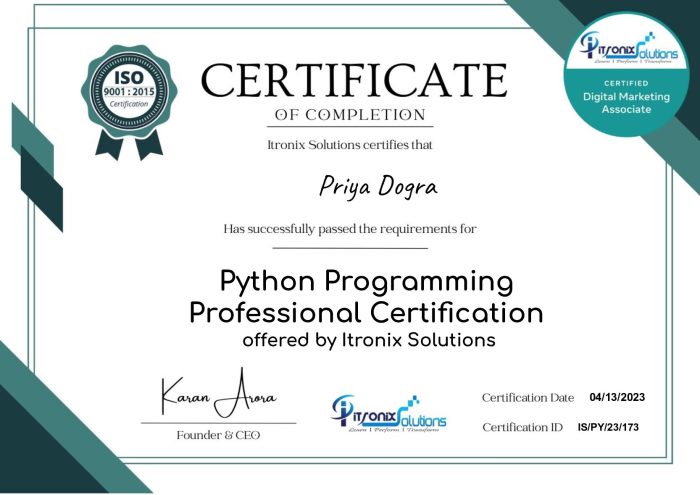
Successfully completing an online certification program requires a strategic approach to studying. Online learners often face unique challenges, such as distractions and time management issues. This section Artikels effective study techniques tailored for online learners, emphasizes the importance of creating a study schedule, and highlights resources that can support beginners in their journey.
Effective Study Techniques for Online Learners
Adopting effective study techniques is critical for online learners aiming to excel in their certification programs. Engaging with the course material actively rather than passively is essential for retention and understanding. Here are some techniques to consider:
- Active Learning: Engage with the content through summarizing, teaching others, or applying concepts in real-life scenarios. This enhances comprehension and recall.
- Chunking Information: Break down large volumes of information into smaller, manageable chunks. This method reduces overwhelm and improves focus.
- Utilizing Multimedia Resources: Incorporate videos, podcasts, and interactive simulations to reinforce learning. Different formats can cater to varied learning styles and make studying more engaging.
- Regular Review: Schedule consistent review sessions for previously learned material. Spaced repetition is proven to enhance long-term retention of information.
Importance of Time Management and Study Schedule
Effective time management is crucial for balancing the demands of an online certification program with personal and professional responsibilities. A well-structured study schedule not only promotes discipline but also helps in achieving learning objectives. Consider the following tips:
- Set Clear Goals: Define specific, measurable goals for each study session. This clarity helps maintain focus and direction.
- Prioritize Tasks: Identify urgent and important tasks to create a sense of accomplishment. Using tools like the Eisenhower Matrix can aid in prioritization.
- Establish a Routine: Consistency is key in studying. Designate specific times for studying each day to form a habit and reduce procrastination.
- Use Digital Tools: Leverage apps and calendars to track deadlines and manage tasks. Tools like Trello and Google Calendar can be particularly useful.
Supportive Resources for Beginners
Beginning an online certification program can feel isolating; however, there are numerous resources available to enhance the learning experience and foster a sense of community. These resources include:
- Online Forums: Platforms like Reddit and specialized forums for your certification topic can provide support, insights, and answers to common questions.
- Study Groups: Forming or joining a study group can facilitate collaborative learning. Peer discussions often lead to deeper understanding and motivation.
- Webinars and Online Workshops: Many organizations offer free or low-cost webinars that cover relevant topics, providing additional learning opportunities and networking.
- Mentorship Programs: Look for mentorship programs where experienced individuals can guide you through the complexities of your certification journey.
Career Opportunities Post-Certification
Source: workathomesmart.com
Obtaining a professional certification opens up a world of possibilities, allowing individuals to advance their careers and explore new opportunities. With the right certification, job seekers can enhance their qualifications, gain credibility, and differentiate themselves in a competitive job market.Numerous career paths become accessible after earning a certification, and these paths can lead to significant professional growth. Certified professionals are often recognized for their expertise and commitment to their field, which can lead to promotions, raises, and even entirely new job roles.
The demand for certified individuals continues to rise as industries evolve and seek skilled workers to fill specific roles.
Potential Career Paths for Certified Professionals
Many industries actively seek certified professionals, creating a variety of career opportunities. Skilled certification holders can find roles in sectors such as healthcare, IT, finance, and project management. The following list highlights popular career paths associated with various certifications:
- Healthcare: Certifications such as Certified Nursing Assistant (CNA) or Certified Medical Assistant (CMA) can lead to roles in hospitals and clinics, where certified professionals are essential for patient care and administrative tasks.
- Information Technology: Certifications like CompTIA A+, Cisco Certified Network Associate (CCNA), or Certified Information Systems Security Professional (CISSP) allow individuals to pursue careers as IT specialists, network administrators, or cybersecurity experts.
- Finance: Credentials such as Certified Public Accountant (CPA) or Certified Financial Planner (CFP) enable professionals to work in financial analysis, tax preparation, or investment planning.
- Project Management: A Project Management Professional (PMP) certification equips individuals to lead and manage projects across various sectors, significantly boosting their employability.
Success Stories of Career Advancement
Numerous individuals have transformed their careers through certification, showcasing the impact of achieving recognized credentials. For example, Jane Smith, who began her career in administration, earned her PMP certification and transitioned into a project manager role, ultimately leading multi-million dollar projects. Her story emphasizes how certification can facilitate career transitions and professional development.Another inspiring example is Mark Johnson, who worked as a software developer and pursued his AWS Certified Solutions Architect certification.
As a result, he was promoted to a senior architect position, with a salary increase of 30%. These success stories highlight the tangible benefits certifications can provide, illustrating how they help professionals achieve their career aspirations.
Industries with High Demand for Certified Professionals
The demand for certified professionals continues to grow, especially in specific industries experiencing significant expansion. These sectors prioritize certifications due to the complexity and regulatory nature of their work. Key industries include:
- Healthcare: With an aging population and increasing healthcare needs, certified medical professionals are in high demand to ensure quality care.
- Information Technology: Rapid technological advancements create a continuous need for certified IT specialists who can manage new systems and cybersecurity challenges.
- Financial Services: As businesses navigate complex financial landscapes, certified finance professionals are essential for compliance and strategic planning.
- Construction and Project Management: As infrastructure development accelerates, certified project managers are crucial for overseeing projects efficiently and effectively.
“Certifications not only validate your skills but also open doors to new opportunities, enhancing your professional journey.”
Resources for Ongoing Learning and Networking
Source: mydegreepath.com
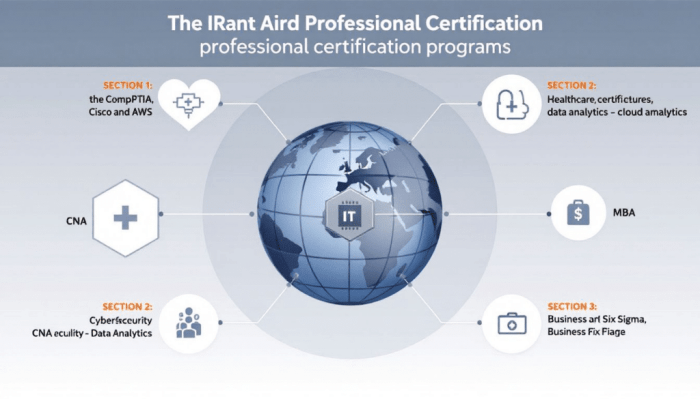
As you embark on your journey of professional certification, the learning shouldn’t stop once you receive your credential. Continuous learning and networking are vital components of career advancement and personal development. The digital age offers a plethora of resources that can help you stay updated with industry trends, connect with fellow professionals, and expand your knowledge base.Various online platforms and communities provide a wealth of resources to facilitate ongoing education and networking opportunities.
These platforms enable you to engage with other learners and industry experts, helping you to stay relevant in your field.
Online Platforms and Communities for Continuous Learning
Many websites and platforms cater to professionals seeking to enhance their skills and knowledge. Here are some prominent options:
- Coursera: Offers courses from top universities and organizations, covering a wide range of subjects.
- LinkedIn Learning: Provides an extensive library of video courses on various professional skills and industries.
- edX: Features online courses from universities, with options for free auditing or earning a verified certificate.
- Skillshare: Focuses on creative and entrepreneurial skills, with classes taught by industry professionals.
- Udemy: Hosts thousands of courses on virtually any topic, often at accessible price points.
Participating in these platforms not only enhances your knowledge but also connects you with a global community of learners.
Networking with Professionals through Online Events
Attending online events is an effective way to build your professional network and learn from experienced individuals in your field. Here are some tips for maximizing these opportunities:
- Join webinars: Many organizations host webinars with industry experts. Participate actively by asking questions and engaging in discussions.
- Utilize social media: Platforms like LinkedIn and Twitter can help you connect with professionals and join relevant groups.
- Attend virtual conferences: These events often feature various speakers, workshops, and networking sessions that can help you expand your professional circle.
- Participate in online forums: Engaging in forums such as Reddit or industry-specific communities can yield valuable insights and connections.
Building relationships with other professionals can lead to collaborations, mentorship opportunities, and job referrals.
Recommended Books, Podcasts, and Websites for Further Education
Immersing yourself in literature and media related to your field can provide ongoing education and inspiration. Consider these resources as part of your continuous learning process:
- Books:
- The 7 Habits of Highly Effective People by Stephen R. Covey – A classic on personal and professional effectiveness.
- Drive: The Surprising Truth About What Motivates Us by Daniel H. Pink – Insights into motivation that can enhance your professional performance.
- Podcasts:
- How I Built This
-Features interviews with entrepreneurs, sharing their stories and lessons learned. - WorkLife with Adam Grant
-Explores the science of work and how to improve it.
- How I Built This
- Websites:
- TED
-Features talks on a wide range of topics, sparking new ideas and perspectives. - Harvard Business Review
-Offers articles and research on business and leadership trends.
- TED
Engaging with these materials can deepen your understanding and keep you informed about the latest developments in your industry.
Financial Considerations for Certification Programs
Investing in an online certification program can be a pivotal step in enhancing your career prospects. However, understanding the financial implications is crucial for making an informed decision. Various costs associated with these programs, along with funding options, scholarships, and employer sponsorships, can significantly influence your ability to pursue these certifications without financial strain.The costs associated with online certification programs can vary widely based on the type of program, institution, and the length of the course.
In addition to tuition fees, there may be additional costs such as registration fees, study materials, and technology requirements. It’s important to evaluate these costs in the context of your overall budget and financial situation.
Costs Associated with Certification Programs
When considering an online certification program, it’s essential to break down the potential expenses you may encounter. Here are the typical costs you might expect:
- Tuition Fees: This is the primary cost of enrolling in a certification program. Depending on the institution, fees can range from a few hundred to several thousand dollars.
- Registration Fees: Many programs charge an initial registration fee, which can vary in amount.
- Study Materials: Textbooks and other resources may be required, which can add to your total costs.
- Technology Requirements: Ensure you have a reliable computer and internet access, which may also involve costs for software and additional online resources.
Understanding these expenses helps in planning your financial commitment effectively.
Funding Options for Certification Programs, Professional Certification Programs Online For Beginners
There are numerous avenues available to help finance your certification program, making it more accessible. Here are some of the most common options:
- Scholarships: Various organizations and institutions offer scholarships specifically for online certification programs. These do not need to be repaid and can significantly reduce the financial burden.
- Grants: Similar to scholarships, grants are often based on need and do not require repayment. Researching local and national grants could provide helpful financial support.
- Employer Sponsorship: Many employers encourage professional development and may offer financial support for employees seeking certification. It’s worth discussing potential sponsorship with your HR department.
Exploring these options can provide financial relief and make pursuing a certification more feasible.
Budget Template for Certification Costs
Creating a budget can help you manage the costs associated with obtaining your certification. Below is a simple budget template to consider:
| Expense Category | Estimated Cost | Actual Cost | Notes |
|---|---|---|---|
| Tuition Fees | $____ | $____ | Include all program fees |
| Registration Fees | $____ | $____ | Check for any additional fees |
| Study Materials | $____ | $____ | Include textbooks and resources |
| Technology Costs | $____ | $____ | Hardware and software needs |
| Total | $____ | $____ |
By filling out this budget template, you can keep track of your expected versus actual expenses, helping you stay on top of your financial commitments while pursuing your certification.
Financial Considerations for Certification Programs
Pursuing a professional certification online is a significant investment in your future. Understanding the financial aspects of certification programs is crucial for budgeting effectively and ensuring that you can afford the necessary education without incurring excessive debt. This section will explore the costs associated with these programs, funding options available, and provide guidance on managing your expenses.
Costs Associated with Online Certification Programs
The costs of online certification programs can vary widely depending on the field of study, the institution offering the program, and the depth of the curriculum. Here are some common expenses to consider when evaluating certification programs:
- Tuition Fees: This is typically the largest expense, which can range from a few hundred to several thousand dollars depending on the program.
- Materials and Supplies: Many programs require textbooks, software, or other materials that can add to the overall cost.
- Examination Fees: Some certification programs charge a fee for the certification exam, which can be an additional expense.
- Technology Costs: Reliable internet access and possibly a computer or software may be necessary for online learning, which could involve additional investment.
Funding Options for Certification Programs, Professional Certification Programs Online For Beginners
There are several funding options available to help offset the costs of certification programs. Understanding these options can make a significant difference in your financial planning.
- Scholarships: Many institutions offer scholarships specifically for online learners. These can help reduce tuition costs significantly. Research local organizations, professional associations, and your institution for available scholarships.
- Grants: Unlike loans, grants do not need to be repaid. Look for government or private grants that support education in your field of interest.
- Employer Sponsorships: Some employers provide funding for employees seeking to enhance their qualifications. Inquire about any corporate education benefits that may include tuition reimbursement or sponsorship for certification programs.
Budget Template for Managing Costs Related to Certification
Creating a budget is essential to manage the costs effectively. Below is a simple budget template to track your expenses related to certification programs. This budget will help you stay organized and ensure you allocate sufficient funds towards your learning journey.
| Expense Category | Estimated Cost | Actual Cost | Notes |
|---|---|---|---|
| Tuition Fees | $______ | $______ | ______ |
| Materials and Supplies | $______ | $______ | ______ |
| Examination Fees | $______ | $______ | ______ |
| Technology Costs | $______ | $______ | ______ |
| Total | $______ | $______ | ______ |
“Proper financial planning is the key to successfully achieving your certification goals without overwhelming yourself with debt.”
Conclusive Thoughts
In conclusion, embarking on the journey of Professional Certification Programs Online For Beginners can significantly boost your career prospects and personal growth. By equipping yourself with the right knowledge and credentials, you position yourself as a valuable asset in your chosen field, ready to tackle new challenges and seize exciting opportunities.
Question Bank
What are professional certification programs?
They are specialized courses designed to provide individuals with recognized credentials in various fields.
Who can benefit from online certification programs?
Beginners, career changers, and professionals looking to enhance their skills can all benefit.
Are there prerequisites for online certification programs?
Prerequisites vary by program; some may require prior knowledge or experience, while others are open to complete beginners.
How long do online certification programs typically take?
Duration can vary widely, ranging from a few weeks to several months, depending on the program and the learner’s pace.
Can I study at my own pace in these programs?
Yes, most online certification programs offer flexible schedules that allow you to learn at your convenience.

I am a professional writer with more than a decade of experience in creative and educational writing. Since the beginning of my career, I have been dedicated to developing works that are not only informative but also capable of providing deep understanding for readers from various backgrounds.