How To Become A Data Analyst Without Experience Online opens the door to a world of opportunities in data analysis, where skills can be honed and careers launched from the comfort of your home. As businesses increasingly rely on data-driven decisions, the demand for skilled data analysts continues to grow. With the right online resources and a commitment to learning, aspiring analysts can acquire essential skills, build relevant experience, and create impressive portfolios to stand out in this competitive field.
This guide will walk you through the steps to transition into a data analyst role without prior experience, highlighting online learning resources, skill development, practical experience, networking, and preparing for job searches. With determination and the right approach, anyone can embark on this rewarding career path.
Introduction to Data Analysis
Source: squarespace-cdn.com
Data analysis has emerged as a pivotal role in modern businesses, driving strategies and operations through informed insights derived from vast amounts of data. The data analyst serves as the bridge between raw data and actionable strategies, enabling organizations to interpret trends, understand customer behavior, and make decisions that can improve their bottom line.In today’s digital landscape, the importance of data-driven decision-making cannot be overstated.
Organizations that leverage data effectively can identify opportunities, mitigate risks, and enhance customer satisfaction. A well-informed decision often leads to competitive advantages, allowing companies to adapt quickly to market changes. Consequently, businesses increasingly rely on data analysts to provide the necessary insights that empower them to navigate complexities and uncertainties in their industries.
Skills Required for Success as a Data Analyst
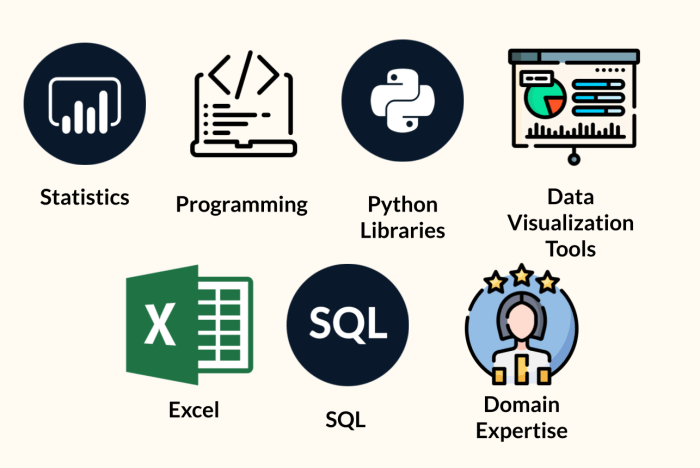
To excel in the role of a data analyst, a diverse set of skills is essential. These competencies not only encompass technical knowledge but also include soft skills that facilitate effective communication and problem-solving. The following skills are integral for aspiring data analysts:
- Statistical Knowledge: A strong foundation in statistics is critical, allowing analysts to interpret data accurately and draw meaningful conclusions.
- Data Visualization: The ability to create clear and compelling visual representations of data helps stakeholders grasp complex insights quickly.
- Technical Proficiency: Familiarity with data analysis tools (such as Excel, SQL, Python, or R) is vital for managing and processing large datasets effectively.
- Critical Thinking: Analytical thinkers can assess information objectively and develop strategies based on data-driven insights.
- Communication Skills: Being able to convey findings clearly to non-technical stakeholders is crucial for driving informed decision-making.
- Problem-Solving Abilities: Data analysts must approach challenges creatively and seek innovative solutions based on data insights.
The significance of these skills is underscored by the fact that businesses today are inundated with data. Analysts who can efficiently analyze and interpret this information become invaluable assets, guiding organizations toward strategic goals and enhancing performance.
Online Learning Resources
In the digital age, aspiring data analysts have a plethora of online learning resources at their disposal. These resources range from comprehensive platforms offering structured courses to individual tutorials and community forums. Whether you are starting from scratch or looking to enhance your skills, finding the right online course can significantly impact your learning path and career trajectory in data analysis.
Many platforms provide extensive course offerings that cover various aspects of data analysis. Below is a comparison table that Artikels some of the most popular online learning platforms, highlighting their course content, duration, and costs. This can help you make an informed decision when selecting a course that fits your needs.
| Platform | Course Content | Duration | Cost |
|---|---|---|---|
| Coursera | Data Analysis with Python, SQL for Data Science, Data Visualization | 4-6 weeks per course | Free to enroll; certificate fee varies |
| edX | Data Science MicroMasters, Professional Certificate in Data Analysis | 5-6 months for a MicroMasters | Free to access; verified certificate fee applies |
| Udacity | Data Analyst Nanodegree, Data Visualization, SQL for Data Analysis | 3-6 months | $399/month |
| DataCamp | Intro to Python, Data Visualization with ggplot2, Data Manipulation | Courses vary; typically 4-8 hours each | $25/month or $300/year |
| LinkedIn Learning | Excel for Data Analysis, R Programming, Business Analytics | 1-2 hours per course | $29.99/month or $239.88/year |
When choosing the right online course for data analysis, consider the following tips tailored to fit individual learning styles. Recognizing your preferences can help you select a course that is not only informative but also engaging.
- Assess Your Learning Style: Determine if you prefer visual, auditory, or kinesthetic learning. Platforms like DataCamp offer interactive coding challenges that cater to hands-on learners.
- Check Course Reviews: Look for courses with positive feedback and testimonials. Student experiences can provide insight into the course’s effectiveness.
- Explore Free Trials: Many platforms offer free trials or audit options. Utilize these to gauge the course content and teaching style before committing.
- Consider Your Schedule: Evaluate the course duration and weekly time commitments. Choose a course that aligns with your available time for study.
- Look for Certificates: If you aim to boost your resume, opt for courses that provide a certification upon completion, demonstrating your commitment to learning.
Finding the right online resources to become a data analyst can be a rewarding journey. Investing time in the right courses, aligned with your learning style, will enhance your skills and prepare you for a successful career in data analysis.
Building Relevant Skills
To thrive as a data analyst, honing essential skills is crucial, especially for those starting without prior experience. This section focuses on key technical skills and analytical abilities that form the backbone of data analysis. By developing these skills, you can become proficient in analyzing data, drawing insights, and effectively communicating your findings.
Essential Technical Skills for Data Analysts
Acquiring the right technical skills is fundamental for a data analyst. Below is a list of the most important skills that aspiring data analysts should focus on:
- Excel: Mastering Excel is vital as it serves as a primary tool for data manipulation and analysis. Proficiency in functions, pivot tables, and data visualization features is essential.
- SQL: SQL (Structured Query Language) is critical for retrieving and manipulating data in relational databases. Understanding how to write queries and manage databases is key.
- Python: Python is a powerful programming language for data analysis. Its libraries, such as Pandas and NumPy, allow for data manipulation, while Matplotlib and Seaborn facilitate data visualization.
- Data Visualization Tools: Familiarity with tools like Tableau or Power BI can help in creating compelling visual representations of data, making it easier to communicate insights.
- Statistical Analysis: A solid understanding of statistics is essential for interpreting data accurately and making informed decisions based on analysis.
Improving Analytical Thinking and Problem-Solving Abilities
Analytical thinking and problem-solving are skills that can significantly enhance your effectiveness as a data analyst. Here are a few strategies to improve these abilities:
- Practice with Real Datasets: Engage with publicly available datasets to practice your analytical skills. Websites like Kaggle offer competitions and projects that can enhance your problem-solving skills.
- Take Online Courses: Enroll in courses focusing on data analysis, statistics, and critical thinking. Platforms like Coursera and edX provide resources to develop these skills.
- Engage in Data Challenges: Participate in online data analysis challenges or hackathons that require quick thinking and innovative solutions.
- Learn from Case Studies: Analyzing real-world business problems and their data-driven solutions can help in understanding practical applications of analytical thinking.
Practicing Data Visualization Techniques, How To Become A Data Analyst Without Experience Online
Data visualization is a critical aspect of data analysis, allowing you to present findings in a clear and impactful manner. Below is a step-by-step guide to practicing this essential skill:
- Choose a Dataset: Start with a dataset that interests you. This could be anything from public health data to sales figures.
- Define Your Objective: Identify what insights you want to convey through visualization. This could be trends, comparisons, or data distributions.
- Select Visualization Tools: Use tools like Tableau, Power BI, or Python libraries like Matplotlib to create your visualizations.
- Experiment with Different Types of Visuals: Try bar charts, line graphs, scatter plots, and heat maps to find the best way to represent your data effectively.
- Seek Feedback: Share your visualizations with peers or mentors for constructive feedback to improve your skills.
- Iterate and Refine: Based on the feedback received, make necessary adjustments to your visualizations to enhance clarity and impact.
Gaining Practical Experience
Gaining practical experience is crucial for aspiring data analysts, particularly when starting without formal experience. Engaging in hands-on projects, internships, volunteering, and competitions can significantly enhance your skill set and make your profile more attractive to potential employers. Below are actionable strategies to cultivate your experience in the data analysis field.
Personal Projects
Working on personal projects allows you to apply theoretical knowledge to real-world situations. These projects showcase your analytical capabilities and can help you build a robust portfolio. Consider the following ideas for personal projects:
- Data Exploration and Visualization: Choose publicly available datasets from sources like Kaggle, UCI Machine Learning Repository, or government databases. Conduct exploratory data analysis (EDA), visualize patterns, and draw insights using tools like Python’s Matplotlib or Seaborn.
- Case Studies: Simulate a business scenario where you analyze sales data to identify trends, customer preferences, or areas for improvement. Present your findings in a clear report.
- Web Scraping: Utilize web scraping techniques to collect data from websites. Analyze this data to discover market trends or consumer behavior insights.
- Portfolio Website: Create a personal website to showcase your projects, visualizations, and analyses. Highlight your skills, tools used, and any challenges you faced during your projects.
Internships and Volunteer Opportunities
Internships and volunteer roles provide invaluable exposure to real-world data challenges and environments. They can help you network with professionals in the field and gain practical skills. Consider the following avenues:
- Internships: Seek internships, even if they are unpaid, particularly in startups or non-profits. These roles often offer flexible schedules and a hands-on approach to learning data analysis.
- Volunteer Work: Offer your data analysis skills to non-profits or community organizations. This could involve analyzing data for fundraising efforts, outreach programs, or social research projects.
- Networking: Join local data science meetups or online forums. Networking can open doors to internship opportunities and mentorship.
Online Competitions and Challenges
Participating in online competitions is a great way to sharpen your skills and build a portfolio. Platforms such as Kaggle and DrivenData host challenges that appeal to various levels of expertise. Engaging in these competitions can provide hands-on experience with real data problems.
- Kaggle Competitions: Take part in Kaggle competitions to work on problems curated by industry experts. These challenges often simulate real-world data scenarios.
- Hackathons: Join data-focused hackathons to collaborate with others and solve data-related problems in a timed environment. These events foster teamwork and innovative thinking.
- Leaderboard Recognition: Gaining a high rank in competitions can enhance your resume and demonstrate your capability to potential employers.
Networking and Community Engagement: How To Become A Data Analyst Without Experience Online
Connecting with professionals in the data analytics field is crucial for those looking to kickstart their careers without prior experience. Building a network not only opens doors to job opportunities but also allows you to gain insights, advice, and mentorship from seasoned experts. Engaging with the community can enhance your learning experience and provide support as you navigate the challenges of entering this dynamic industry.Finding and joining relevant online communities or forums is vital to expanding your professional network.
These platforms offer an array of resources, including discussions, shared experiences, and job postings, all focused on data analytics. Consider exploring the following avenues to immerse yourself in the data analytics community:
Online Communities and Forums
Many online platforms facilitate discussions and networking among data analysts. Here are some effective ways to connect with others in the field:
- LinkedIn Groups: Join groups dedicated to data analytics, where professionals share insights, job leads, and resources. Participating in discussions can showcase your interest and knowledge in the field.
- Reddit: Subreddits like r/datascience and r/analytics provide a wealth of information and a community of people willing to share their experiences. Engage in conversations, ask questions, and contribute to discussions.
- Facebook Groups: Search for groups focused on data analytics to connect with others. These groups often share job opportunities and resources, along with discussions tailored to beginners and experienced professionals alike.
- Slack Channels: Join Slack workspaces that focus on data analytics. Many of these channels foster a sense of community and provide a platform for real-time discussions and learning.
Attending virtual events or webinars focused on data analytics can significantly enhance your networking efforts. These gatherings provide the perfect opportunity to learn from industry leaders and connect with fellow attendees, creating a rich environment for professional growth. Here are some strategies to maximize your experience at these events:
Virtual Events and Webinars
Participating in online events can broaden your understanding of data analytics and introduce you to potential mentors and colleagues. Here are some tips to get the most out of these experiences:
- Research Upcoming Events: Look for webinars hosted by data analytics organizations, educational platforms, or industry experts. Websites like Eventbrite or Meetup often list relevant virtual events.
- Engage During the Event: Don’t just be a passive listener. Ask questions, participate in polls, and join breakout discussions to make your presence known.
- Follow Up: After the event, reach out to speakers or fellow participants via LinkedIn or email. Express your gratitude for their insights and suggest ways to stay in touch.
- Share Knowledge: Consider summarizing key takeaways from the event on your social media or blog. This not only positions you as a knowledgeable professional but also encourages others to connect with you.
By actively networking and engaging with the data analytics community, you will enhance your understanding of the field and create valuable connections that could lead to future opportunities.
Crafting a Strong Resume and Portfolio
Creating a standout resume and portfolio is essential for aspiring data analysts, especially when entering the field without prior experience. Your resume serves as your first impression, while your portfolio showcases your practical skills and projects. Together, they can effectively communicate your potential to employers.A well-crafted resume for a data analyst position should highlight your analytical skills, technical proficiencies, and relevant experiences, even if they are from academic projects or self-initiated work.
Here are the key components to include in your data analyst resume:
Key Components of a Data Analyst Resume
To make your resume effective, ensure it includes the following elements:
- Contact Information: At the top, include your name, phone number, email address, and LinkedIn profile.
- Professional Summary: A brief statement that Artikels your career goals and what you bring to the table, tailored specifically for data analysis roles.
- Technical Skills: List relevant skills such as SQL, Python, R, Excel, data visualization tools (Tableau, Power BI), and any statistical analysis tools.
- Education: Include your degree(s) and relevant coursework or certifications in data analysis or related fields.
- Projects: Highlight any practical projects that demonstrate your analytical abilities, including details on tools used and outcomes achieved.
- Experience: Mention any internships, volunteer work, or freelance opportunities related to data analysis, even if they are informal. Focus on what you learned and how it applies to data analysis.
A strong resume reflects both your technical capabilities and soft skills such as problem-solving, communication, and teamwork. Make sure to adjust your resume based on the specific job description to enhance its relevance.
Checklist for an Impressive Portfolio
Assembling an impactful portfolio is crucial to showcase your skills and projects effectively. The following checklist will guide you in creating an impressive data analyst portfolio:
- Project Diversity: Include a range of projects that demonstrate various skills, such as data cleaning, analysis, and visualization.
- Detailed Case Studies: For each project, provide a brief case study that includes the problem statement, data sources, methods used, and insights gained.
- Visualizations: Incorporate clear and informative visualizations to illustrate your findings; tools like Tableau or Python libraries can be beneficial.
- Code Samples: Share snippets of your code or link to a GitHub repository to demonstrate your technical abilities.
- Documentation: Provide clear documentation for each project, outlining your thought process, methodologies, and conclusions.
- Reflective Insights: Include reflections on what you learned from each project and how it has helped you grow as an analyst.
Having a portfolio that reflects a breadth of skills and a depth of understanding in data analysis can significantly enhance your employability.
Importance of Tailoring Application Materials
Tailoring your application materials is a crucial step that can set you apart from other candidates. Each job opportunity may emphasize different skills and experiences; hence, aligning your resume and portfolio with the specific requirements of the role can make a substantial difference.
“Customizing your resume and portfolio for each application demonstrates your genuine interest in the position and highlights your most relevant qualifications.”
By carefully reading job descriptions and understanding the company culture, you can adjust your professional summary, emphasize particular skills, and select projects that resonate with the job’s focus. This approach not only showcases your qualifications but also reflects your attention to detail and commitment to the role.
Preparing for Job Interviews
As you step into the job market as a data analyst, preparing for interviews is crucial to showcase your skills and potential. While technical skills are essential, presenting yourself effectively and demonstrating your understanding of the role can significantly influence your chances of landing the job. This section will delve into common interview questions, techniques for presenting case studies, and the importance of soft skills during interviews.
Common Interview Questions and Effective Responses
Being familiar with commonly asked interview questions can help you respond confidently and clearly. Here are some frequent inquiries you might encounter, along with guidance on how to approach your answers:
- What is your experience with data analysis tools?
Even without formal experience, you can highlight your knowledge of tools such as Excel, SQL, Python, or R. Discuss any online courses or projects where you’ve applied these tools, emphasizing your willingness to learn and adapt.
- Can you explain the steps you take in a data analysis project?
Artikel a structured approach, such as defining the problem, collecting data, analyzing results, and communicating findings. Use a specific example from a project or case study to illustrate your process.
- How do you handle missing or inconsistent data?
Explain techniques such as data imputation, removal of records, or using algorithms that handle missing values. Providing an example of a situation where you faced this challenge will enhance your credibility.
- What is your understanding of statistical significance?
Demonstrate your grasp of key concepts such as p-values and confidence intervals. You might say, “Statistical significance helps determine whether results are due to chance or represent a true effect in the data.” Provide a brief example to illustrate your point.
Presenting Case Studies and Technical Concepts
Effectively presenting case studies and technical concepts during interviews showcases your analytical skills and your ability to communicate complex ideas. Here are some techniques to enhance your presentations:
- Structure Your Presentation:
Follow a clear format: Introduction, Data Description, Analysis Methodology, Findings, and Conclusions. This logical flow makes it easier for interviewers to follow your thought process.
- Use Visual Aids:
Incorporate charts, graphs, or dashboards to visually represent your findings. Visual aids can simplify complex data and make it more engaging for your audience.
- Practice Explaining Technical Concepts:
Be prepared to simplify jargon and technical language. Practice explaining concepts to a non-technical audience to ensure clarity and understanding during your interview.
- Be Ready for Questions:
After presenting your case study, anticipate follow-up questions. This demonstrates your deep understanding of the topic and readiness to engage in discussion.
Significance of Soft Skills in the Interview Process
While technical expertise is vital for a data analyst, soft skills play a crucial role in your overall candidacy. Here are several key soft skills that can positively influence your interview outcome:
- Communication:
The ability to convey complex data insights clearly is essential. Employers look for candidates who can articulate their findings to both technical and non-technical stakeholders.
- Problem-Solving:
Data analysis often involves encountering challenges. Demonstrating your approach to problem-solving, including critical thinking and creativity, can set you apart from other candidates.
- Team Collaboration:
Data analysts frequently work in multidisciplinary teams. Showcasing your ability to collaborate and contribute effectively to group projects can resonate well with interviewers.
- Adaptability:
The data landscape is ever-evolving. Highlight your willingness to learn new tools and methodologies, showcasing your flexibility and proactive attitude towards change.
Continuing Education and Certification
Source: googleusercontent.com
In the ever-evolving field of data analysis, staying updated and continuously enhancing your skills is not just beneficial; it’s essential for career advancement. Earning relevant certifications can significantly improve your job prospects and give you an edge in the competitive job market. Additionally, ongoing education helps you keep pace with new technologies and methodologies.Reputable certifications are highly regarded in the data analysis field and can distinguish you from other candidates.
They often provide structured learning paths that cover essential tools, techniques, and concepts in data analysis.
Recognized Certifications in Data Analysis
Certifications can validate your skills and knowledge, making them a worthwhile investment. Below are some noteworthy certifications that can enhance your qualifications:
- Google Data Analytics Professional Certificate: This program provides foundational knowledge in data analysis, including data cleaning, problem-solving, and visualization.
- Microsoft Certified: Data Analyst Associate: This certification focuses on using Microsoft Power BI to visualize data and share insights effectively.
- IBM Data Analyst Professional Certificate: Offering hands-on experience with data analysis tools, this certification covers Python, SQL, and data visualization.
- SAS Certified Data Scientist: This certification encompasses a broader data science spectrum, including data manipulation and predictive modeling.
The benefits of continual learning in data analysis extend beyond certifications. The field is rapidly changing, and being informed about the latest tools, trends, and best practices can make you more effective in your role.
Benefits of Continuous Learning
Investing time in continuous education leads to numerous advantages, such as improved job performance, enhanced problem-solving capabilities, and increased adaptability to emerging technologies. Keeping your skills sharp ensures you remain relevant in a field that is constantly evolving.For instance, professionals who regularly update their skills are often more adept at leveraging new data visualization tools like Tableau or Power BI, leading to more effective presentations of their findings.
Staying informed about industry trends can also aid in strategic decision-making within organizations.
Resources for Ongoing Education
Numerous resources are available for those looking to develop their skills further. These can range from online courses to community forums and professional organizations. Some popular platforms include:
- Coursera: Offers various data analysis courses from top universities and companies.
- edX: Provides access to professional certifications and MicroMasters programs in data analysis.
- LinkedIn Learning: Features courses focused on specific skills and software used in data analysis.
- Kaggle: A platform for practicing data analysis skills with real-world datasets and participating in competitions.
Engaging with online communities, such as data science forums or local meetups, can also foster learning opportunities and networking, which are invaluable in this profession.
Last Recap

Source: kochiva.com
In summary, the journey of How To Become A Data Analyst Without Experience Online is not only achievable but also filled with exciting potential. By leveraging online courses, gaining practical experience through projects and internships, and actively engaging with the data community, you can build a strong foundation for your data analysis career. Remember, continuous learning and networking will be key to advancing in this ever-evolving field, so stay curious and motivated as you take your first steps into the world of data analysis.
Popular Questions
What qualifications do I need to become a data analyst?
While a formal degree can be beneficial, many data analysts succeed with relevant skills and experience gained through online courses and practical projects.
How long does it take to become a data analyst?
The timeline can vary; with dedicated online learning and practice, you could acquire basic skills in 3 to 6 months.
Is it necessary to learn programming for data analysis?
Having programming skills, especially in languages like Python or SQL, is highly beneficial but not always mandatory for entry-level positions.
Are there any free resources available for learning data analysis?
Yes, there are numerous free online resources, including MOOCs, YouTube tutorials, and blogs dedicated to data analysis.
How can I build a portfolio as a beginner?
You can create a portfolio by working on personal projects, participating in online challenges, or volunteering for non-profits to showcase your skills.
