Healthcare Administration Degree Online Accredited is an exciting pathway for those looking to impact the healthcare sector positively. This degree program equips students with essential managerial skills tailored for the healthcare environment, preparing them for a variety of roles that support efficient healthcare delivery. With the increasing demand for healthcare professionals, pursuing an accredited online degree provides flexibility and credibility in a competitive job market.
Moreover, accreditation signifies that the program meets high standards of quality and rigor, ensuring that graduates are well-prepared for the challenges they will face in their careers. Students will engage with a robust curriculum, gain practical skills, and explore numerous career possibilities, making this degree a valuable investment in their future.
Introduction to Healthcare Administration Degree Online Accredited
A healthcare administration degree focuses on the management aspects of healthcare systems, providing students with the knowledge and skills necessary to effectively oversee healthcare facilities, programs, and services. This degree encompasses various subjects including health policy, finance, human resources, and information technology, all tailored to the unique challenges of the healthcare sector. With the increased demand for skilled professionals in this field, obtaining a degree in healthcare administration can open numerous career opportunities.The significance of accreditation for online degree programs cannot be overstated.
Accreditation ensures that the educational institution meets specific standards of quality and rigor, which is crucial for establishing the credibility of the degree. Accreditation also impacts students’ eligibility for federal financial aid, as well as their ability to transfer credits to other institutions or pursue further education. It serves as a guarantee that the program has been evaluated by an independent body and found to maintain the necessary educational standards.
Benefits of Pursuing an Online Degree in Healthcare Administration
Opting for an online degree in healthcare administration offers several advantages that appeal to a diverse range of students. Flexibility is a prominent benefit, allowing individuals to manage their studies alongside other commitments such as work and family. Online programs often provide a self-paced learning environment, enabling students to engage with the material at times that best suit their schedules.Additional benefits include access to a broader range of programs and specializations.
Students can explore various universities and select programs that align closely with their career goals and interests without being limited by geographic location. Furthermore, online learning environments often integrate advanced technologies, providing students with resources and tools that enhance their learning experience and prepare them for modern workplace demands.Another significant advantage is the potential for reduced costs. Online programs often eliminate expenses related to commuting, housing, and on-campus fees, making education more accessible.
Additionally, many online programs are designed to be more cost-effective than traditional on-campus options, allowing students to earn their degrees without accumulating substantial debt.
“An accredited online degree in healthcare administration can be a stepping stone to leadership roles in a rapidly evolving industry.”
Accreditation Process
The accreditation process for online healthcare administration programs is a crucial step in ensuring that educational institutions meet established standards of quality and performance. Accreditation not only validates the institution’s commitment to providing high-quality education but also enhances the value of the degree earned by students. Understanding the intricacies of this process can help prospective students make informed decisions about their education.The accreditation process typically involves several key steps that institutions must follow to achieve recognition from accrediting bodies.
These steps ensure thorough evaluation and adherence to educational standards.
Steps in the Accreditation Process
The accreditation process generally unfolds in a systematic way, which includes the following stages:
1. Self-Evaluation
Institutions conduct an internal review of their programs, policies, and practices to assess their compliance with established standards set by the accrediting body.
2. Application Submission
After the self-evaluation, institutions submit an application to the accrediting agency, detailing their educational offerings, governance structures, and compliance with regulatory requirements.
3. Site Visit
A team of peer reviewers visits the institution to observe operations, meet with faculty and students, and assess facilities. This visit aims to validate the claims made in the self-evaluation report.
4. Review and Evaluation
The accrediting agency reviews the site visit findings along with the self-evaluation report and makes a determination regarding accreditation status.
5. Decision and Feedback
The agency communicates its decision to the institution, providing feedback on strengths and areas for improvement. Institutions may receive full accreditation, provisional accreditation, or denial.
6. Continuous Improvement
Accredited institutions are required to engage in ongoing assessment and improvement processes, often leading to periodic reviews to maintain their accredited status.
The accreditation process ensures educational institutions meet specific quality standards, which is vital for maintaining the integrity of academic programs.
Regional versus National Accreditation
When considering accreditation, it is essential to understand the distinction between regional and national accreditation. Regional accreditation is generally perceived as the gold standard in higher education, focusing on academic quality and rigor. It is awarded to institutions in specific geographic regions and is recognized by employers and other educational institutions.In contrast, national accreditation is typically granted to vocational, technical, or career-oriented institutions.
While national accreditation can be valuable, particularly for specific fields, it may not carry the same weight as regional accreditation in broader academic contexts. This distinction can significantly influence the recognition and transferability of credits earned.
Regional accreditation is often viewed as more prestigious, leading to greater acceptance of degrees in the job market.
Value and Recognition of Accredited Programs, Healthcare Administration Degree Online Accredited
The difference in value and recognition between accredited and non-accredited programs is striking. Accredited programs are rigorously evaluated and held to high educational standards, making them more appealing to prospective students and employers alike. Graduates from accredited programs often enjoy better job prospects and higher starting salaries.Non-accredited programs, on the other hand, may lack the rigorous evaluation process, leading to concerns about the quality of education provided.
Employers may be hesitant to recognize degrees from non-accredited institutions, which can limit career opportunities for graduates.The advantages of pursuing an accredited program include:
Enhanced Job Opportunities
Many employers prefer candidates with degrees from accredited institutions, viewing them as more qualified and competent.
Transferability of Credits
Students attending accredited programs often find it easier to transfer credits between institutions, especially if they wish to pursue further education.
Access to Financial Aid
Accreditation is often a requirement for eligibility for federal financial aid, making higher education more accessible.
Choosing accredited programs significantly impacts career readiness and professional credibility.
Curriculum Overview
Accredited online healthcare administration degree programs offer a comprehensive curriculum designed to equip students with the necessary skills and knowledge to succeed in the healthcare industry. These programs focus on various aspects of healthcare management, policy, and ethics, ensuring that graduates are well-prepared for the challenges they will face in their careers.The typical curriculum consists of core subjects that provide a solid foundation in healthcare concepts, alongside elective courses that allow students to tailor their education to their specific interests and career goals.
Below is a table showcasing key courses commonly included in these programs, along with their descriptions.
| Course Title | Description |
|---|---|
| Healthcare Management | This course covers fundamental principles of management in healthcare settings, focusing on operational efficiency, leadership, and strategic planning. |
| Health Economics | Students learn about economic theories and their application in healthcare, including cost-benefit analysis and resource allocation. |
| Healthcare Policy | This course examines the development, analysis, and implementation of healthcare policies, focusing on regulatory and legislative aspects. |
| Information Systems in Healthcare | Students explore the role of information technology in healthcare operations, including electronic health records and data management. |
| Ethics in Healthcare | This course discusses ethical issues in healthcare decision-making, including patient rights, confidentiality, and professional responsibilities. |
| Healthcare Finance | An overview of financial management in healthcare organizations, including budgeting, financial reporting, and revenue cycle management. |
| Research Methods in Healthcare | Students learn various research methodologies and their application in evaluating healthcare programs and outcomes. |
| Quality Improvement in Healthcare | This course focuses on strategies for enhancing the quality of care, including performance measurement and continuous improvement processes. |
Core courses provide essential skills, while electives allow for specialization in areas of interest.
Career Opportunities
Graduates with an accredited healthcare administration degree have a vast array of opportunities awaiting them. This degree equips individuals with the necessary skills and knowledge to manage healthcare facilities, oversee operations, and improve patient care. As the healthcare industry continues to expand, the demand for skilled professionals in healthcare administration is on the rise.The field of healthcare administration offers a diverse range of job roles, each with its own responsibilities and requirements.
Some of the most common positions include:
Potential Job Roles
Healthcare administration graduates can explore various job roles that cater to their interests and expertise. The following are notable positions within this sector:
- Healthcare Manager: Responsible for overseeing the operations of a healthcare facility, ensuring efficiency, and managing staff.
- Health Services Administrator: Focuses on managing specific departments within a healthcare organization, such as finance, human resources, or patient services.
- Medical and Health Services Manager: Works on planning, directing, and coordinating health services in hospitals, clinics, and other healthcare organizations.
- Health Policy Analyst: Analyzes policies affecting healthcare systems and recommends improvements based on research and data analysis.
- Clinical Manager: Manages specific clinical departments and ensures that they comply with regulations and standards.
As the healthcare landscape evolves, so does the demand for skilled professionals. The growth prospects in healthcare administration remain robust, primarily due to an aging population and an increasing focus on quality care.
Growth Prospects
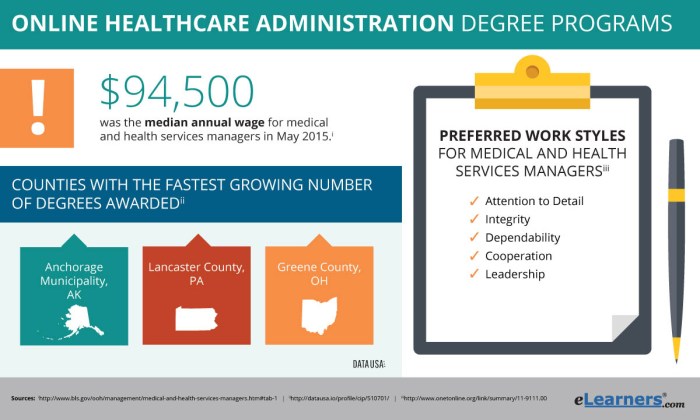
The healthcare administration field is projected to grow significantly over the next decade. According to the U.S. Bureau of Labor Statistics, employment for medical and health services managers is expected to rise by 32% from 2020 to 2030, which is much faster than the average for all occupations. This growth is attributed to the need for healthcare facilities to adapt to an aging baby boomer population and the increasing complexity of healthcare services.
Average Salaries
Salaries in healthcare administration can vary widely based on the role, experience, and location. Here’s a brief overview of average salaries for common positions:
| Job Title | Average Salary (USD) |
|---|---|
| Healthcare Manager | $101,340 |
| Health Services Administrator | $96,540 |
| Medical and Health Services Manager | $104,280 |
| Health Policy Analyst | $80,000 |
| Clinical Manager | $96,000 |
“The healthcare sector is one of the fastest-growing fields, promising not just job security but also the chance to make a significant impact on community health.”
Skills Developed
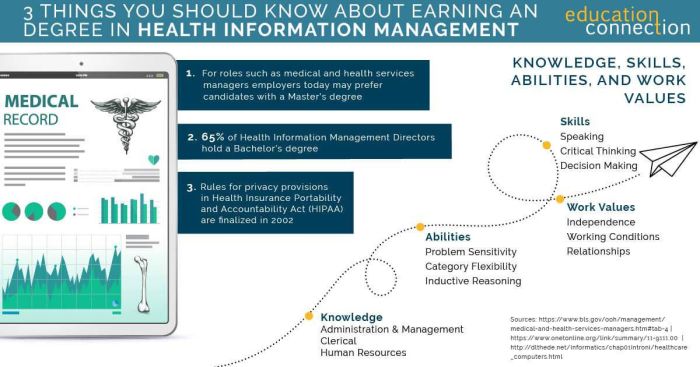
An online healthcare administration degree equips students with a diverse range of essential skills that are vital for effective management in the healthcare sector. As the healthcare landscape continues to evolve, professionals must be adept at handling various challenges, from financial management to compliance issues. The program focuses on a blend of both hard and soft skills that empower graduates to navigate this complex field confidently.Through coursework and practical applications, students build skills that are crucial for real-world scenarios in healthcare settings.
These skills enhance their ability to improve operational efficiency, foster teamwork, and implement effective policies. The following sections detail the specific skills developed throughout the program and their relevance in the healthcare industry.
Hard and Soft Skills Developed
The online healthcare administration program cultivates a variety of both soft and hard skills. Understanding and mastering these skills not only aids personal growth but also contributes significantly to the effectiveness of healthcare delivery.Key skills developed through the program include:
- Leadership: Effective leaders motivate teams and drive organizational goals, especially in high-pressure environments like hospitals.
- Communication: Clear and concise communication is essential to convey information accurately among healthcare staff and to patients.
- Financial Management: Skills in budgeting, accounting, and financial analysis ensure that healthcare organizations operate within their financial means.
- Data Analysis: Proficiency in analyzing healthcare data helps in making informed decisions that enhance patient care and operational efficiency.
- Regulatory Knowledge: Understanding healthcare laws and regulations ensures compliance and helps organizations avoid legal issues.
- Problem-Solving: The ability to identify issues and develop effective solutions is critical in addressing the challenges faced by healthcare facilities.
- Project Management: Skills in managing projects ensure that healthcare initiatives are executed efficiently and on time.
- Interpersonal Skills: Building rapport with staff, patients, and stakeholders improves collaboration and fosters a positive work environment.
These skills are applicable in various real-world healthcare scenarios, such as leading a multidisciplinary team during a patient care initiative, analyzing patient satisfaction data to improve services, or ensuring compliance with new healthcare regulations. The ability to combine these skills effectively can lead to significant improvements in patient outcomes and organizational performance.
Choosing the Right Program
Selecting the right online healthcare administration program is crucial for your career trajectory. With numerous accredited options available, understanding how to evaluate these programs effectively can make all the difference. Accreditation signifies that a program meets specific educational standards, ensuring you receive quality training that is recognized by employers in the field.When evaluating online healthcare administration programs, consider the following criteria which are essential in determining their quality and relevance to your career goals:
Criteria for Evaluating Accreditation
Accreditation is vital for validating the quality of an academic program. The following factors can guide your evaluation process:
- Regional Accreditation: Ensure that the institution is regionally accredited, as this is generally regarded as more prestigious than national accreditation.
- Program-Specific Accreditation: Look for programs accredited by specialized bodies in healthcare administration, such as the Commission on Accreditation of Healthcare Management Education (CAHME).
- Reputation: Research the institution’s reputation within the healthcare industry and among alumni.
- Curriculum Quality: Examine the curriculum to ensure it covers essential topics in healthcare management and administration.
- Faculty Credentials: Investigate the qualifications and experience of the faculty teaching the program.
Comparison of Institutions Offering Accredited Online Degrees
Different institutions provide varied online healthcare administration programs, each with its own unique features. Comparing these features can help you find the best fit for your needs. Below is a summary comparison of key aspects to consider:
| Institution | Tuition | Program Duration | Faculty Credentials |
|---|---|---|---|
| University A | $30,000 | 2 years | PhDs with industry experience |
| University B | $25,000 | 18 months | Masters with extensive healthcare backgrounds |
| University C | $40,000 | 2.5 years | Combination of PhDs and healthcare practitioners |
This comparison illustrates that while some institutions may offer lower tuition rates, they might also vary in program duration and faculty qualifications. It’s essential to weigh these elements based on your personal priorities and career aspirations.
Choosing the right program sets the foundation for your career in healthcare administration, influencing job opportunities and advancement potential.
Financial Considerations
Pursuing an accredited online healthcare administration degree involves various financial aspects that potential students should carefully evaluate. Understanding the costs, available financial aid options, and the potential return on investment (ROI) can significantly influence one’s decision to enroll in such programs.The costs associated with obtaining an online healthcare administration degree can vary widely depending on several factors, including the institution, program duration, and whether the student is in-state or out-of-state.
On average, tuition fees can range from $15,000 to $60,000 for the entire program. In addition to tuition, students should anticipate other expenses, such as textbooks, technology fees, and possibly even costs related to internships or practical experiences. It is crucial for prospective students to conduct thorough research into different programs to assess the overall financial commitment involved.
Financial Aid Options
Several financial aid options are available to support students pursuing an accredited online healthcare administration degree, helping to alleviate the financial burden. These options include:
- Federal Grants and Loans: The U.S. Department of Education offers various federal grants, such as Pell Grants, and student loans for eligible students to help cover tuition costs.
- Scholarships: Many colleges and universities provide scholarships based on merit, need, or specific criteria related to healthcare administration.
- Employer Tuition Assistance: Some employers offer tuition reimbursement programs, encouraging employees to further their education.
- State Financial Aid Programs: Various states have financial aid programs tailored to residents enrolled in higher education, including healthcare programs.
Financial aid can significantly reduce the overall cost of obtaining a degree, making it more accessible to a wider audience.
Return on Investment for Graduates
Evaluating the return on investment (ROI) for graduates of online healthcare administration programs is essential for understanding the financial benefits of this educational path. Graduates can typically expect a substantial increase in earning potential compared to their pre-degree salaries. According to the U.S. Bureau of Labor Statistics, the median annual wage for medical and health services managers was approximately $104,280 as of May 2022, considerably higher than the median salary for individuals without a degree in the field.
When analyzing the ROI, consider the following factors:
- Increased Salary: Graduates often see a significant salary increase, with many entering positions that pay $20,000 or more annually compared to their previous roles.
- Job Stability: The healthcare sector is projected to grow, leading to increased job security and opportunities for advancement.
- Career Advancement: Obtaining a degree opens doors to managerial and leadership roles, further enhancing earning potential.
- Time Frame for ROI: Many graduates recoup their educational expenses within a few years of entering the workforce, especially in high-demand positions.
The combination of attractive salaries and job growth makes pursuing an accredited online healthcare administration degree a financially sound investment for many students.
Success Stories
The journey of graduates from online accredited healthcare administration programs is filled with inspiring achievements and transformative experiences. Many students have successfully navigated their way through the challenges of online education, culminating in rewarding careers that contribute significantly to the healthcare sector. These testimonials showcase the potential of an online healthcare administration degree and the positive impact it has on individual career trajectories.Graduates from these programs often share their success stories, highlighting how their education has empowered them to excel in their roles within the healthcare industry.
The networking opportunities afforded by accredited programs further enhance these success stories, connecting students with influential professionals and industry leaders who can help shape their careers.
Testimonials from Graduates
Numerous graduates have expressed their satisfaction with the online healthcare administration programs, citing flexibility, comprehensive learning, and a supportive community. Here are a few testimonials that exemplify their experiences:
-
“The online program was a game-changer for my career. It allowed me to balance work and study while gaining critical insights into the healthcare system.”
– Sarah J., Healthcare Administrator
-
“I never thought I could transition from nursing to administration. The degree gave me the confidence and knowledge I needed to make that switch successfully.”
– Mark T., Operations Manager
-
“The faculty were exceptionally supportive, and the networking opportunities helped me secure my current position at a major healthcare provider.”
– Lisa R., Program Director
Notable Alumni and Their Contributions
Several alumni of accredited online healthcare administration programs have made significant impacts in the field. Their successes exemplify the potential of these programs to cultivate leaders in healthcare. Some notable alumni include:
-
Dr. Emily Chen: A renowned healthcare policy analyst who has contributed to national health reform initiatives.
-
John Smith: CEO of a leading healthcare consultancy, known for innovative strategies that improve patient care.
-
Dr. Maria Gonzalez: A hospital administrator recognized for implementing programs that enhanced operational efficiency.
Networking Opportunities
Accredited online healthcare administration programs provide invaluable networking opportunities that enable students to connect with industry professionals. Such connections can pave the way for internships, mentorships, and job placements. The following are key aspects of the networking environment:
- Access to alumni networks that facilitate connections with experienced professionals in healthcare.
- Participation in virtual events and webinars featuring industry leaders discussing current trends and challenges.
- Collaboration with peers through group projects and discussions that build professional relationships.
Conclusion: Healthcare Administration Degree Online Accredited
In summary, obtaining a Healthcare Administration Degree Online Accredited opens doors to a wealth of opportunities in a growing field. Graduates not only gain specialized knowledge and skills but also join a network of professionals dedicated to improving healthcare systems. With the right program and commitment, students can thrive in their careers and contribute meaningfully to the healthcare landscape.
Question & Answer Hub
What is the duration of an online healthcare administration degree?
The duration typically ranges from 18 months to 4 years, depending on the program and whether the student is attending full-time or part-time.
Are online healthcare administration degrees respected by employers?
Yes, as long as the program is accredited, employers recognize and value online degrees just as much as traditional ones.
Can I work while studying for my online degree?
Yes, many online programs offer flexible schedules that allow students to balance work and study effectively.
What types of financial aid are available for online students?
Students can explore federal aid, scholarships, grants, and loans specifically designed for online learners.
Will I need to complete an internship as part of my degree?
Many programs recommend or require an internship to provide practical experience, but it varies by institution.

I am a professional writer with more than a decade of experience in creative and educational writing. Since the beginning of my career, I have been dedicated to developing works that are not only informative but also capable of providing deep understanding for readers from various backgrounds.