Distance Learning Universities UK Accredited are redefining the landscape of modern education, offering flexible learning options that cater to diverse student needs. With the rise of digital technology, distance learning has become an increasingly popular choice for many, allowing individuals to pursue their education without the constraints of traditional classroom settings. This overview will delve into the various types of programs offered, the significance of accreditation, and how these institutions have evolved over time.
As we explore this topic, you will learn about the importance of accredited programs, the benefits they provide, and how they can enhance your career prospects. From financial considerations to student support services, the journey through distance learning in the UK promises to be both enlightening and valuable.
Overview of Distance Learning Universities in the UK
Distance learning has revolutionized the landscape of higher education in the UK by providing flexible and accessible learning opportunities for a diverse range of students. This mode of study allows individuals to balance their education with personal and professional commitments, making it a significant aspect of modern education. In this context, distance learning enables learners to engage with course materials, interact with instructors, and collaborate with peers from various locations, thus breaking down geographical barriers.In the UK, distance learning programs encompass various formats and subjects, catering to the unique needs of different learners.
These programs can be broadly categorized into undergraduate degrees, postgraduate degrees, professional certifications, and short courses. Many reputable universities offer these programs, ensuring that students receive a quality education that meets rigorous academic standards. The rise of technology has further enhanced the delivery of these programs, enabling the incorporation of multimedia resources and interactive platforms that enrich the learning experience.
Historical Development of Distance Learning in the UK
The evolution of distance learning in the UK can be traced back to the early 20th century, when correspondence courses first gained popularity. The University of London, established in 1858, was one of the pioneers in distance education, allowing students to study from anywhere in the country. By the 1960s, the Open University was founded, representing a major milestone in the history of distance education.
Its innovative approach combined television broadcasts with printed materials and face-to-face tutorials, making higher education accessible to a wider audience.Over the years, distance learning in the UK has adapted to the changing educational landscape, particularly with the advent of the internet. The introduction of online learning platforms in the 1990s marked a turning point, as educational institutions began to offer fully online courses.
This shift not only expanded the reach of distance learning but also allowed for greater interactivity and engagement among students and instructors.Today, distance learning continues to evolve, integrating advanced technologies such as virtual reality, artificial intelligence, and mobile learning applications. These innovations enhance the educational experience, making it more immersive and personalized. As a result, the UK remains a leader in distance education, offering a wide array of accredited programs that cater to the needs of learners around the globe.
Accreditation of Distance Learning Universities

Accreditation plays a vital role in ensuring the quality and credibility of distance learning universities in the UK. It serves as a benchmark for educational standards, assuring students that the institution meets specific academic criteria. This is especially crucial in the context of distance learning, where prospective students often rely on accreditation as a key indicator of quality and legitimacy when choosing their educational pathway.The accreditation process for distance learning institutions in the UK involves several recognized bodies.
These organizations evaluate and validate the educational programs offered, ensuring they meet the required standards. Accreditation not only enhances institutional reputation but also increases the employability of graduates, as employers often prefer candidates from accredited programs. The primary accrediting bodies involved include:
Accrediting Bodies in the UK
The following accrediting bodies are prominent in the accreditation of distance learning universities in the UK:
- The Quality Assurance Agency for Higher Education (QAA)
-responsible for monitoring and advising on the standards and quality of UK higher education. - The Open University Validation Services – provides accreditation and validation for various distance learning programs, ensuring they meet educational standards.
- Professional regulatory bodies – such as the British Psychological Society (BPS) or the Royal Institute of British Architects (RIBA) that accredit specific programs to ensure they meet industry standards.
Accreditation ensures that distance learning programs are rigorously evaluated, promoting a consistent level of quality across institutions. In contrast, non-accredited programs may lack the same level of scrutiny, leading to varying educational outcomes.
Comparison of Accredited and Non-Accredited Programs
When comparing accredited distance learning programs to their non-accredited counterparts, several important factors come into play:
- Quality of Education: Accredited programs adhere to strict educational standards, whereas non-accredited programs may not have the same level of oversight.
- Employer Recognition: Graduates from accredited institutions are often viewed more favorably by employers, leading to better job prospects.
- Transferability of Credits: Students from accredited institutions may find it easier to transfer credits to other programs, enhancing academic mobility.
- Access to Financial Aid: Many financial aid opportunities are only available to students attending accredited institutions, limiting options for those in non-accredited programs.
“Accreditation serves as a quality assurance mechanism that benefits both students and employers, reflecting a commitment to educational excellence.”
In summary, the significance of accreditation cannot be overstated. It serves as a critical factor in determining the quality and recognition of distance learning programs, providing peace of mind for students as they navigate their educational journeys.
Benefits of Studying at Accredited Distance Learning Universities

Accredited distance learning programs offer numerous advantages that can significantly enrich a student’s educational journey. These programs not only provide flexibility and accessibility but also ensure that the education received meets rigorous academic standards. With accreditation, students can be confident that their qualifications are recognized and valued in the job market.One of the most critical benefits of enrolling in accredited distance learning programs is the enhancement of employability and career opportunities.
Accreditation serves as a mark of quality, indicating that the institution adheres to established educational standards. Employers often prioritize candidates with degrees from accredited institutions, recognizing that these graduates possess a robust foundation of knowledge and skills relevant to their fields.
Impact of Accreditation on Employability, Distance Learning Universities UK Accredited
Accreditation directly influences the employability of graduates from distance learning universities. Employers tend to trust degrees from accredited institutions more than those from non-accredited ones. This trust translates into better job prospects and potential career advancement. Key points concerning the impact of accreditation on employability include:
- Employers recognize accredited programs as providing high-quality education that prepares graduates for real-world challenges.
- Accredited programs often have established industry connections, creating networking opportunities for students that can lead to internships and jobs.
- A degree from an accredited university can enhance a candidate’s resume, making them more competitive in the job market.
- Employers may offer higher starting salaries to graduates from accredited programs, reflecting the perceived value of their education.
Success Stories from Accredited Programs
Numerous graduates have successfully leveraged their accredited distance learning degrees to achieve remarkable career milestones. These testimonials highlight the positive outcomes that can result from choosing an accredited program:
“Earning my degree from an accredited distance learning university made all the difference in my career. I landed a job with a top company right after graduation, which I believe was largely due to the recognition of my school’s accreditation.”
Sarah, Marketing Professional
“I switched careers after completing my accredited online degree. Not only did I gain the necessary skills, but the program’s accreditation helped me overcome initial skepticism from potential employers.”
John, IT Specialist
These success stories reflect the transformative power of accredited distance learning programs, providing students with the tools and recognition needed to excel in their chosen fields.
Popular Accredited Distance Learning Universities in the UK
Distance learning has transformed education, allowing students to pursue degrees without the constraints of location. Accredited universities in the UK offer a wide range of programs tailored to individual needs, making quality education accessible to everyone. Below are some of the most notable accredited distance learning universities in the UK, each providing unique offerings and specialized programs.
List of Accredited Distance Learning Universities
The following table showcases some of the prominent accredited distance learning universities in the UK, highlighting their specializations, enrollment numbers, and program diversity.
| University | Specializations | Enrollment Numbers | Program Diversity |
|---|---|---|---|
| The Open University | Arts, Humanities, Business, Science, Engineering | Over 170,000 | More than 200 undergraduate and postgraduate programs |
| University of London | Law, Business, Social Sciences, Health | Approximately 54,000 | Variety of online programs through member institutions |
| University of Edinburgh | Data Science, Business, Education | About 40,000 | Over 30 online master’s programs |
| University of Leicester | History, Politics, Psychology | Roughly 20,000 | Wide range of undergraduate and postgraduate options |
| University of Birmingham | Business, Education, Engineering | Approximately 38,000 | Diverse online degree programs and certificates |
Each of these universities brings unique features to the table. The Open University, for instance, is renowned for its flexible learning options and extensive course offerings, catering to a diverse student population. The University of London provides a collaborative platform for various member institutions, offering a breadth of programs that leverage the strengths of its colleges. The University of Edinburgh stands out with its emphasis on research-led teaching and innovative online master’s degrees.
The University of Leicester and the University of Birmingham both focus on creating accessible education pathways for adult learners, ensuring that students can balance studies with work and personal commitments. These institutions represent just a snapshot of the quality education available through distance learning in the UK, making it easier than ever for learners to achieve their academic goals from anywhere in the world.
Application Process for Distance Learning Programs
Applying for distance learning programs at accredited universities in the UK involves a structured process that ensures you are adequately prepared for your educational journey. Understanding the steps and requirements can significantly enhance your chances of a successful application.The application process typically consists of several key stages that every prospective student should be familiar with. This includes submitting an application form, providing essential documentation, and meeting specific prerequisites set by the institution.
It’s crucial to understand what is required at each stage to prevent delays or complications.
General Steps in the Application Process
The application process for distance learning programs usually starts with researching suitable accredited institutions. Once you have chosen a university, you will need to follow these general steps:
- Complete the Application Form: Fill out the university’s application form, which can usually be found on their official website.
- Submit Required Documentation: Prepare and upload necessary documents as specified by the university.
- Meet Prerequisites: Ensure you meet the entry requirements for the course you wish to pursue.
- Await Response: After submission, wait for the university to process your application and communicate decisions.
- Accept Offer: If accepted, follow the instructions to accept your offer and enroll.
Documentation Required for Application
Providing the right documentation is essential for a successful application. Commonly required documents include:
Essential documents generally include academic transcripts, a personal statement, references, and proof of English language proficiency.
Here’s a closer look at the typical documentation needed:
- Academic Transcripts: Official records from previous educational institutions.
- Personal Statement: A written statement expressing your motivations and goals related to the course.
- References: Letters from individuals who can vouch for your academic abilities or professional experience.
- Proof of English Language Proficiency: For non-native speakers, qualifications such as IELTS or TOEFL scores may be required.
Common Challenges and Solutions for Applicants
Throughout the application process, applicants may encounter challenges that can be easily managed with the right strategies. Recognizing these common hurdles can help you navigate them effectively.One significant challenge is meeting application deadlines. It is vital to keep a calendar and set reminders to ensure all components are submitted on time. Additionally, difficulties in gathering documentation can arise. To mitigate this, start collecting necessary documents well in advance of deadlines.
Another issue may be crafting a compelling personal statement, which is critical for distinguishing yourself from other candidates. Taking the time to Artikel your experiences, motivations, and aspirations can lead to a more persuasive statement. Seeking feedback from peers or advisors can enhance the quality of your submission.Lastly, applicants may feel overwhelmed by the application process itself. To address this, breaking the application into manageable steps can simplify the experience and reduce stress.
Utilizing university resources, such as application workshops or advisor consultations, can also provide valuable support.
Financial Considerations for Distance Learning
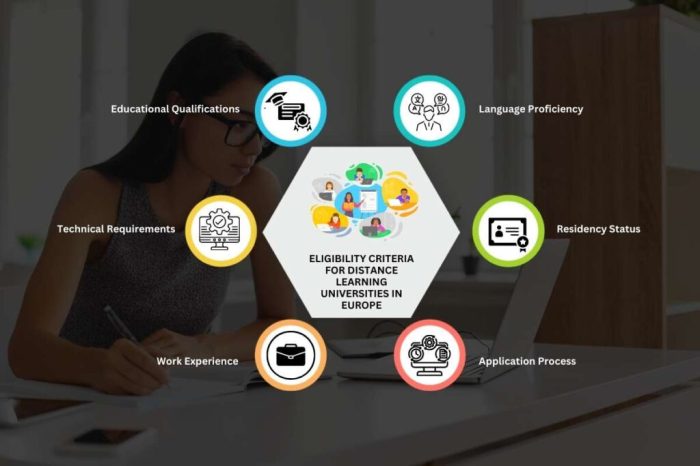
Pursuing a distance learning program in the UK can be a fantastic opportunity for many students. However, understanding the financial aspects is crucial to ensure a smooth educational journey. Tuition fees, financial aid options, scholarships, and budgeting tips play significant roles in managing your finances while studying remotely.Tuition fees for distance learning programs can vary widely depending on the institution, the level of study, and the specific program.
Most universities offer competitive pricing for online courses compared to traditional on-campus tuition. It’s essential to research and compare options, as some programs may even provide flexibility in payment plans.
Tuition Fees and Financial Aid Options
Tuition fees for distance learning programs in the UK can range from £5,000 to over £12,000 per year, depending on the institution and course. Many universities offer financial aid options to help ease the burden on students. This can include:
- Student Loans: Most students are eligible for government-backed loans that can help cover tuition costs. These loans typically have favorable repayment terms.
- Payment Plans: Some universities offer installment payment plans, allowing students to spread their tuition fees over the academic year.
- Employer Sponsorship: Certain employers may offer financial assistance for employees pursuing further education, which can significantly reduce out-of-pocket costs.
Scholarships and Grants for Distance Learning Programs
There are numerous scholarships and grants specifically tailored for distance learning students. These financial aids are designed to support students who may not have the same access to funds as traditional students. Key options include:
- University-Specific Scholarships: Many universities offer their own scholarships for distance learners, which can significantly lower tuition costs.
- Government Grants: The UK government has various grant programs aimed at supporting students in higher education, including those studying online.
- Private Scholarships: Organizations and foundations often provide scholarships for specific fields of study or demographics within the student population.
Budgeting Tips for Managing Finances
Effective budgeting is paramount for students engaged in distance learning, enabling them to manage their finances better while focusing on their studies. Here are some useful budgeting tips:
- Track Expenses: Keeping a close eye on monthly expenses will help identify areas where savings can be made.
- Utilize Student Discounts: Many retailers and services offer discounts for students, which can help save money on everyday purchases.
- Create a Study Budget: Allocate a specific budget for study-related expenses, such as books, software, and online tools, ensuring you stay within financial limits.
“Budgeting effectively can transform your educational experience, allowing you to focus on learning rather than financial stress.”
Student Support Services in Distance Learning
In the realm of distance learning, student support services play a pivotal role in ensuring learners have a fulfilling and effective educational experience. These services are designed to address the unique challenges that distance learners face, such as isolation and time management, while promoting academic success and personal well-being.Accredited distance learning universities offer a diverse range of support services to enhance the overall student experience.
These services include academic advising, counseling, technical support, and career services, all tailored to meet the needs of online students. The availability and quality of these services can significantly impact student satisfaction and academic performance.
Types of Student Support Services
Understanding the various support services offered by universities can help prospective students make informed decisions about their educational journey. Below are some key types of support services typically available in accredited distance learning institutions:
- Academic Advising: Provides guidance on course selection, degree requirements, and academic policies to help students stay on track.
- Counseling Services: Offers mental health support, workshops, and resources to address personal challenges and promote emotional well-being.
- Technical Support: Assists students with issues related to online platforms, software, and other technological needs essential for distance learning.
- Library Resources: Grants access to online databases, e-books, and research materials to support academic success.
- Career Services: Provides job search assistance, resume writing tips, and career counseling to help students transition into the workforce.
- Peer Support Networks: Facilitates connections between students for collaboration, study groups, and social interaction to reduce feelings of isolation.
Importance of Student Support in Distance Learning
The significance of robust student support services cannot be understated. They are crucial for fostering a positive learning environment and enhancing student retention rates. When students feel supported, they are more likely to engage with their studies and persist through challenges. For instance, a study conducted by the Online Learning Consortium found that institutions offering comprehensive support services saw a noticeable improvement in student retention and completion rates.
This highlights the direct correlation between the level of support provided and the success of distance learners.
Comparison of Student Support Services Across Institutions
Different accredited institutions may vary in the types and quality of support services they offer. Here is a comparative overview of how student support services stack up across several accredited distance learning universities:
| University | Academic Advising | Counseling Services | Technical Support | Career Services |
|---|---|---|---|---|
| University A | Available | Available | 24/7 Support | Extensive Resources |
| University B | Limited | Available | Standard Business Hours | Basic Support |
| University C | Available | Available | Weekday Support | Career Workshops |
This comparison illustrates that while some universities excel in providing a wide array of support services, others may have limitations that could affect student experience. Therefore, prospective students should carefully evaluate the support offerings of different institutions to find the best fit for their needs and preferences.
Future Trends in Distance Learning
The landscape of distance learning in the UK is continuously evolving, shaped by various technological advancements and societal shifts. As educational institutions adapt to these changes, it’s essential to explore the emerging trends that will likely define the future of education. Understanding these trends is crucial for students, educators, and policymakers to navigate the challenges and seize the opportunities that lie ahead.Technological innovations are at the heart of transforming distance learning methodologies.
The rise of artificial intelligence (AI), augmented reality (AR), and virtual reality (VR) are significantly enhancing the learning experience. These tools not only make education more interactive but also provide personalized learning pathways for students. For instance, AI-powered platforms can analyze students’ learning habits and adapt the curriculum to fit their needs. This shift towards a more individualized approach could lead to better educational outcomes and increased student engagement.
Emerging Technologies in Distance Learning
The integration of new technologies in distance learning is reshaping how knowledge is imparted and absorbed. Here are some key technologies influencing this evolution:
- Artificial Intelligence: AI is being utilized for personalized learning experiences. Platforms can adapt content delivery based on real-time assessments of student performance and engagement.
- Virtual Reality and Augmented Reality: VR and AR create immersive learning environments that can simulate real-world scenarios. For example, medical students can practice surgeries in a virtual setting, enhancing their practical skills without risk.
- Learning Analytics: Data analytics tools allow educators to track and analyze student performance, providing insights that can improve teaching strategies and learning experiences.
- Blockchain Technology: Blockchain offers a secure method for credentialing and verifying academic achievements, potentially simplifying the process of verifying qualifications across institutions.
Challenges and Opportunities for Distance Learning Universities
As distance learning continues to expand, universities face both challenges and opportunities in this dynamic environment. The following points Artikel some of these factors:
- Quality Assurance: Ensuring the quality of online courses can be challenging. Institutions need to develop robust assessment frameworks to maintain educational standards.
- Student Engagement: Keeping students motivated in a virtual setting is often more complex than in traditional classrooms. Universities must innovate in their teaching approaches to foster engagement.
- Infrastructure Development: The necessity for high-quality internet access and technological support is paramount. Universities must invest in infrastructure to support both staff and students effectively.
- Global Reach: Distance learning can break geographical barriers, allowing institutions to reach a broader audience. This presents an opportunity to diversify student populations and enhance cultural exchange.
“The future of distance learning will be characterized by a blend of technology-driven personalization and human-centric pedagogies.”
As distance learning progresses, educational institutions in the UK must remain adaptable, leveraging technological advancements while addressing the inherent challenges. This proactive approach will ensure that they not only survive but thrive in the evolving educational landscape.
Last Recap: Distance Learning Universities UK Accredited
In conclusion, Distance Learning Universities UK Accredited offer an excellent pathway for students seeking flexibility and quality in their education. With a broad range of programs and supportive services, these institutions are well-equipped to meet the demands of today’s learners. As distance learning continues to evolve, staying informed about current trends and opportunities will enable you to make the best choices for your educational journey and future career.
Essential FAQs
What is distance learning?
Distance learning is an educational format that allows students to study remotely, using online resources and technology instead of attending physical classes.
How can I check if a distance learning university is accredited?
You can verify accreditation by checking the university’s official website or consulting the relevant accrediting bodies in the UK.
Are there any scholarships available for distance learning students?
Yes, many universities offer scholarships specifically for distance learning students; you can find information on their websites.
How does distance learning affect my employability?
Graduating from an accredited distance learning program can enhance your employability, as employers often recognize the value of quality education.
What technical requirements are needed for distance learning?
Typically, you will need a reliable internet connection, a computer or tablet, and any specific software or tools required by your course.

I am a professional writer with more than a decade of experience in creative and educational writing. Since the beginning of my career, I have been dedicated to developing works that are not only informative but also capable of providing deep understanding for readers from various backgrounds.