Best Remote Learning Programs For Working Professionals set the stage for a transformative journey in education. As more professionals seek to advance their careers without sacrificing their current jobs, remote learning has emerged as a crucial solution. This flexible approach not only accommodates busy schedules but also offers diverse programs tailored to elevate skills and enhance networking opportunities.
From virtual classrooms to innovative learning management systems, the array of options can feel overwhelming. However, understanding the benefits and key features of these programs is essential for making informed choices that align with personal and professional goals.
Overview of Remote Learning Programs
Remote learning has rapidly evolved into a vital resource for working professionals seeking to enhance their skills without sacrificing their careers. The flexibility and accessibility offered by these programs allow individuals to balance work commitments while pursuing educational goals. As technology continues to advance, remote learning has become a practical solution for lifelong learning, offering a plethora of opportunities for personal and professional development.The landscape of remote learning programs is diverse, catering to various fields and learning preferences.
Professionals can choose from online courses, degree programs, certifications, and specialized training sessions tailored to specific industries. Each format presents its unique benefits, enabling learners to select options that suit their schedules and learning styles. The rise of platforms such as Coursera, edX, and LinkedIn Learning has made quality education more accessible than ever, allowing busy professionals to learn at their own pace.
Types of Remote Learning Programs
Understanding the various types of remote learning programs is essential for professionals looking to further their education. These programs can be categorized into several distinct types, each designed to meet specific needs and preferences.
Online Courses
Short and focused, these courses cover specific topics or skills. They are ideal for professionals looking to upskill or diversify their knowledge quickly. For instance, a marketing professional might take a course in digital analytics to stay current with industry trends.
Degree Programs
Many universities now offer full degree programs online. These programs are suitable for individuals seeking a formal qualification while accommodating their work schedules. For example, an MBA program can be pursued remotely, allowing professionals to apply insights from their studies directly to their work environments.
Certifications
Certifications are often shorter than degree programs and focus on specific skills or knowledge areas. Many industries offer certification programs that can enhance a professional’s credibility and marketability. For instance, project management certifications like PMP can be pursued online.
Webinars and Workshops
These live or on-demand sessions provide insights into specific subjects and often include interactive components. Such programs allow professionals to engage with experts and peers, fostering valuable networking opportunities.The effectiveness of a remote learning program often hinges on several key features that enhance the learning experience.
Effective remote learning programs are characterized by their accessibility, interactivity, and relevance to current industry standards.
Some of the significant features include:
Flexible Scheduling
Programs that allow participants to learn at their convenience fit well into the busy lives of working professionals.
Engaging Content Delivery
High-quality video lectures, interactive modules, and real-time discussions keep learners engaged and enhance retention of material.
Access to Resources
Comprehensive learning materials, including e-books, articles, and research papers, support a thorough understanding of the subject matter.
Networking Opportunities
Effective programs often incorporate forums and discussion groups that facilitate communication among students, allowing for the exchange of ideas and experiences.
Feedback Mechanisms
Regular assessments and feedback from instructors help learners identify areas for improvement and encourage ongoing development.In summary, remote learning programs represent a significant advancement in education for working professionals, providing them with the tools and resources needed to succeed in their careers while maintaining a healthy work-life balance. These programs are continuously evolving, adapting to the needs of learners in an increasingly dynamic world.
Benefits of Remote Learning for Professionals
Remote learning programs have emerged as a powerful tool for working professionals seeking to enhance their skills and advance their careers. With the ability to learn from virtually anywhere, these programs provide unique advantages that cater to the busy schedules of today’s workforce. Here, we’ll explore the various benefits that remote learning offers, particularly in terms of career growth, flexibility, and networking opportunities.
Enhancing Career Growth
Remote learning is a gateway to continuous professional development. Professionals can pursue certifications, courses, or degree programs that align with their career aspirations without having to leave their jobs. This results in a well-rounded skill set that is attractive to employers. According to a report by LinkedIn, 94% of employees would stay at a company longer if it invested in their learning and development.
By engaging in remote learning, professionals can keep pace with industry trends and innovations, making them indispensable to their organizations.
Flexibility and Work-Life Balance, Best Remote Learning Programs For Working Professionals
One of the standout features of remote learning is its inherent flexibility. Professionals can tailor their study schedules around their work commitments, allowing them to learn at their own pace. This flexibility not only helps in managing time efficiently but also enhances work-life balance. Many remote programs offer asynchronous learning, meaning that individuals can access lectures and materials at their convenience, fitting their education into their personal and professional lives seamlessly.
The impact of this flexibility is profound:
- Reduced Stress: By eliminating lengthy commutes to physical classrooms, professionals decrease the stress associated with balancing work and study.
- Increased Productivity: Flexible schedules can lead to higher productivity as individuals can choose optimal learning times when they are most focused.
- Family Time: Remote learning allows for more family time, as study sessions can be scheduled around family obligations and personal activities.
Networking Opportunities
In addition to skill enhancement, remote learning platforms often foster significant networking opportunities. Many programs have integrated forums, discussion groups, or virtual events where participants can connect with peers, industry experts, and influential thought leaders. This connectivity is crucial for career advancement, as it opens doors to collaborations, mentorships, and new job opportunities.
The following aspects highlight the networking potential of remote learning:
- Global Reach: Remote learning breaks geographical barriers, allowing professionals to network with individuals from diverse backgrounds and industries worldwide.
- Alumni Networks: Many programs offer access to alumni communities, which can be invaluable for career support and job leads.
- Industry-Specific Events: Webinars and online conferences hosted by educational institutions or industry groups create opportunities for real-time interaction and engagement.
“Networking is not just about connecting people; it’s about connecting people with people, people with ideas, and people with opportunities.”
Top Remote Learning Programs
In today’s ever-evolving job market, remote learning programs provide a flexible and accessible way for working professionals to enhance their skills and advance their careers. With a myriad of options available, it can be challenging to identify the best programs tailored to specific needs and aspirations. Below is a comprehensive overview of the top remote learning programs that cater to the unique demands of professionals juggling work and study.These selected programs not only offer valuable knowledge but also deliver it in a format that suits the busy schedules of working individuals.
Below is a comparison of the top remote learning programs, highlighting each program’s duration, cost, and accreditation status, alongside their unique selling points.
Comparison of Top Remote Learning Programs
The following table presents a detailed comparison of various remote learning programs tailored for working professionals. This information is crucial for making informed decisions based on personal learning goals and available resources.
| Program Name | Duration | Cost | Accreditation | Unique Selling Points |
|---|---|---|---|---|
| Harvard Online Learning | 4-12 weeks | $1,600 – $2,400 | Yes | Offers courses from top faculty; recognized globally. |
| Coursera Professional Certificates | 6-12 months | $39/month | Yes | Hands-on projects; partnership with leading universities. |
| edX MicroMasters | 8-10 months | $1,200 – $1,500 | Yes | In-depth courses; pathways to credit at universities. |
| LinkedIn Learning | Varies (self-paced) | $29.99/month | No | Wide range of topics; video-based learning with industry experts. |
| Udacity Nanodegree | 3-6 months | $399/month | No | Focused on tech skills; projects reviewed by industry professionals. |
“Investing in your education through remote learning can lead to significant career advancements and personal growth.”
When considering these programs, it is essential to evaluate not only the cost and time commitment but also the unique features that set each program apart. For instance, the Harvard Online Learning platform offers courses designed by prestigious faculty, making it a valuable option for those seeking high-quality education. On the other hand, platforms like Coursera provide a more cost-effective solution for those looking to develop skills without the burden of a large upfront fee, thanks to their subscription model.
Each program has its own strengths, whether it’s through comprehensive course content, networking opportunities, or hands-on practical experiences. By selecting the right program that aligns with career goals and personal interests, professionals can significantly enhance their skill set and marketability in today’s competitive landscape.
Selecting the Right Program
Choosing the right remote learning program is crucial for working professionals looking to enhance their skills or pivot in their careers. With numerous options available, it’s essential to evaluate programs based on specific criteria that align with your professional aspirations. This selection process can significantly impact not only your learning experience but also your career trajectory.Identifying the right program involves careful consideration of various factors that contribute to its overall value.
The following criteria are essential when selecting a remote learning program:
Criteria for Choosing a Remote Learning Program
When evaluating potential programs, several key points should be considered to ensure the program meets your needs and expectations. Here are the most important criteria:
- Accreditation: Verify that the program is accredited by a recognized body, ensuring that the education received is of high quality and widely accepted in the industry.
- Curriculum Relevance: Ensure that the curriculum is up-to-date and relevant to current industry standards, focusing on skills that are in high demand.
- Instructor Credentials: Look for programs led by experienced instructors with relevant industry experience and academic qualifications.
- Flexibility: Consider programs that offer flexible scheduling options, allowing you to balance work and study effectively.
- Student Support Services: Evaluate the availability of resources such as academic advising, career services, and technical support to assist students throughout their learning journey.
Evaluating program quality and reputation is essential to ensure you invest your time and resources wisely. Researching student reviews, alumni success stories, and program outcomes can provide valuable insights into the program’s effectiveness.
Evaluating Program Quality and Reputation
To assess a program’s quality and reputation, it’s important to collect information from various sources. Here are effective methods to evaluate a remote learning program:
- Read Reviews and Testimonials: Look for feedback from current and former students to gauge their experiences, challenges, and successes.
- Research Alumni Outcomes: Investigate what graduates of the program have achieved in their careers, including job placements, promotions, or advancements in their fields.
- Engage with the Community: Participate in online forums or social media groups related to the program to get a sense of community engagement and support.
- Check Industry Recognition: Determine if the program is recognized or endorsed by industry leaders or professional organizations, as this can indicate its credibility.
Aligning program content with your career goals is imperative for meaningful learning. The program you select should not only resonate with your interests but also propel you towards your desired career path.
Importance of Aligning Program Content with Career Goals
Understanding how a program aligns with your career objectives is vital for achieving professional success. Here’s why this alignment matters:
- Relevant Skills Development: A program that aligns with your goals will equip you with the specific skills needed to excel in your chosen field.
- Career Advancement Opportunities: Programs tailored to your career aspirations can enhance your qualifications and open doors for promotions or new job opportunities.
- Enhanced Motivation: When the program content resonates with your interests and aspirations, you are more likely to stay engaged and motivated throughout your studies.
- Networking Potential: Choosing a program relevant to your career can provide networking opportunities with peers and industry professionals who share similar goals.
Challenges and Solutions in Remote Learning
Source: continents.us
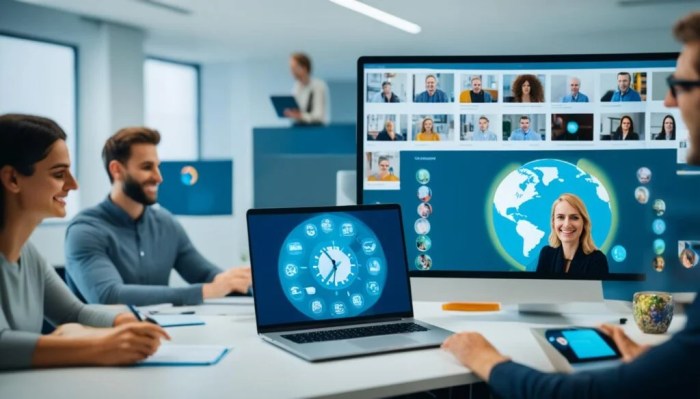
In today’s evolving professional landscape, remote learning has become a significant avenue for skill enhancement among working professionals. However, this approach is not without its challenges. Understanding these can help individuals navigate the complexities of virtual education more effectively.A common challenge that professionals face in remote learning environments is the prevalence of distractions. Whether it’s the allure of household chores, social media notifications, or family interruptions, maintaining focus can be difficult.
Additionally, the lack of a structured environment can lead to procrastination and a weakened sense of accountability.
Overcoming Distractions in Home Learning Environments
To combat these distractions, establishing a dedicated learning space is crucial. This space should be free from disturbances and equipped with all necessary materials to minimize interruptions. Here are some effective strategies to maintain focus:
- Set Boundaries: Communicate with family or housemates about your learning schedule to minimize interruptions.
- Use Technology Wisely: Employ apps that block distracting websites and notifications during study periods.
- Designate Learning Hours: Create a consistent timeframe for study to help develop a routine.
- Incorporate Breaks: Utilize techniques like the Pomodoro Technique, where you work for 25 minutes followed by a 5-minute break, to maintain focus without burnout.
Self-discipline and time management are foundational to successful remote learning. Many professionals struggle with these aspects due to the flexibility remote learning offers. Without a structured schedule, it can be easy to lose track of time and fall behind in coursework.
Importance of Time Management and Self-Discipline
Effective time management allows for a balanced approach to work and learning, ensuring that educational commitments are met without compromising professional responsibilities. Cultivating self-discipline enables individuals to prioritize their tasks and stay committed to their study goals. Here are some strategies to enhance time management and self-discipline:
- Set Specific Goals: Define clear, achievable learning objectives for each week to maintain focus.
- Create a Schedule: Use digital calendars or planners to block out time for study sessions, ensuring consistent progress.
- Track Your Progress: Regularly evaluate your learning journey to identify areas that need improvement and adjust your approach as necessary.
- Reward Yourself: Establish a reward system for completing tasks to motivate yourself and enhance productivity.
“Time management is life management.”
By addressing distractions and honing self-discipline, working professionals can optimize their remote learning experiences, turning challenges into opportunities for growth and development.
Technological Tools for Remote Learning
Source: trainingindustry.com
Remote learning has transformed the way professionals acquire new skills and knowledge. In a digital landscape that fosters flexibility and accessibility, leveraging the right technological tools is essential for effective learning. This section highlights key platforms, tools, and best practices that enhance the remote learning experience for working professionals.
Essential Tools and Platforms
Choosing the right tools is critical for navigating the remote learning environment effectively. Many platforms offer unique features that cater to diverse learning needs. Here are some of the most essential tools:
- Learning Management Systems (LMS): These systems provide structured environments for course delivery, tracking progress, and managing content. Popular LMS platforms include Moodle, Canvas, and Blackboard.
- Video Conferencing Tools: Tools like Zoom, Microsoft Teams, and Google Meet facilitate real-time communication, enabling live lectures, discussions, and collaboration among peers.
- Collaboration Software: Platforms such as Slack and Trello allow teams to work together on projects, share resources, and maintain clear communication channels.
- Content Creation Tools: Applications like Canva and Prezi help users create visually appealing presentations and educational materials that enhance engagement.
- Assessment Tools: Tools like Kahoot! and Quizlet enable educators to create interactive quizzes and assessments, making learning more engaging and fun.
Maximizing Learning Management Systems (LMS)
Learning Management Systems serve as the backbone of remote learning, providing an organized framework for content delivery and learner engagement. To maximize their potential, consider the following best practices:
- Utilize built-in analytics features to track learner progress and identify areas needing improvement. This data can inform instructional strategies and help tailor content to individual needs.
- Encourage interaction through discussion forums and group projects, fostering a sense of community and collaboration among learners.
- Regularly update course materials to ensure they remain relevant and engaging, incorporating multimedia elements to cater to various learning styles.
- Provide timely feedback on assessments and assignments to motivate learners and improve their understanding of the material.
Tech Setups for Enhanced Learning Experience
Creating an optimal tech setup is vital for maximizing engagement and productivity during remote learning. Here’s a guide to enhancing your remote learning environment:
- High-Speed Internet Connection: A reliable and fast internet connection is crucial for seamless participation in online classes and for accessing digital resources without interruptions.
- Ergonomic Workspace: Setting up a dedicated and comfortable workspace minimizes distractions and promotes focus. Invest in a good chair and desk to support long hours of study.
- Quality Audio and Video Equipment: Using a good microphone and webcam enhances communication during virtual meetings and provides clear audio and visual quality for presentations.
- Digital Note-Taking Tools: Applications like Notion or Evernote can help organize notes and resources efficiently, allowing for easy access and knowledge retention.
“Investing in the right technology leads to a more engaging and productive remote learning experience.”
Future Trends in Remote Learning: Best Remote Learning Programs For Working Professionals
Source: institutedata.com
Remote learning is evolving at a rapid pace, especially as the world adapts to new technologies and work environments. As remote learning programs become increasingly integrated into professional development, understanding future trends can help working professionals stay ahead of the curve. The landscape of education is shifting, and those who embrace these changes will likely find greater success in their careers and personal growth.
Emerging technologies are set to transform remote education significantly. With advancements in artificial intelligence, virtual reality, and data analytics, learning experiences are becoming more personalized and engaging. These technologies not only facilitate better interactions between learners and instructors but also allow for more effective assessment methods, bridging the gap between traditional and remote learning environments. As a result, the future of remote learning programs will likely be characterized by customization, accessibility, and enhanced interactivity.
Impact of Emerging Technologies
The integration of emerging technologies into remote learning programs is crucial for their evolution. These innovations bring a plethora of benefits that enhance the educational experience:
- Artificial Intelligence: AI-powered tools can analyze student performance in real-time, providing personalized feedback and recommendations. For instance, platforms like Coursera have started implementing AI to tailor learning paths based on individual progress.
- Virtual Reality: VR can immerse learners in realistic environments, making complex concepts easier to grasp. Businesses like Strivr are pioneering VR training solutions that offer simulations for various job roles, enhancing employee training.
- Data Analytics: The use of data analytics helps educators measure engagement and effectiveness, allowing for continuous improvement of curriculum design. Learning management systems (LMS) are increasingly utilizing analytics to track student performance metrics.
The shift towards hybrid learning models is becoming more prevalent in the workplace. This approach combines online education with in-person training, creating flexible learning environments that cater to diverse needs. Companies are recognizing the benefits of hybrid models, such as increased employee satisfaction and better knowledge retention.
Potential for Hybrid Learning Models
Hybrid learning models present a unique opportunity for organizations to enhance employee training and development. By blending remote and in-person learning, businesses can maximize engagement and optimize resource use. Here are some key aspects to consider:
- Flexibility: Hybrid models allow employees to choose when and where they learn, accommodating different schedules and learning styles.
- Networking Opportunities: Incorporating in-person sessions fosters networking and collaboration among employees, which can enhance team dynamics.
- Cost-Effectiveness: Organizations can save on training costs by using online modules while reserving in-person sessions for complex topics that benefit from hands-on experience.
- Continuous Improvement: The feedback loop from hybrid models enables organizations to adapt training programs quickly based on employee needs and industry changes.
As remote learning continues to evolve, it will reshape how professionals engage with educational content, pushing the boundaries of traditional learning. By leveraging emerging technologies and embracing hybrid learning environments, working professionals can prepare effectively for the future and capitalize on new opportunities that arise.
Final Conclusion
In summary, the landscape of remote learning is rapidly evolving, offering working professionals unprecedented opportunities for growth and flexibility. By carefully selecting programs that fit their unique needs and leveraging the right technological tools, individuals can successfully navigate challenges and unlock their full potential. Embracing this educational shift is not just about convenience; it’s about the future of work and learning.
Question Bank
What qualifications are typically offered in remote learning programs?
Many remote learning programs offer degrees, certificates, and professional development courses across various fields.
How do I know if a remote learning program is accredited?
It’s essential to check the program’s official website or contact their admissions office to confirm their accreditation status.
Can I access remote learning programs from anywhere?
Yes, most remote learning programs are designed to be accessible from anywhere with an internet connection.
Are there networking opportunities in remote learning programs?
Absolutely, many programs include forums, discussion groups, and virtual networking events to connect students and professionals.
What technology do I need for remote learning?
A reliable internet connection, a computer or tablet, and sometimes specific software or apps recommended by the program.
