Online Diploma Courses For International Students provide an exciting opportunity for learners from around the globe to access education that fits their unique needs. These courses break down geographical barriers, allowing individuals to gain valuable qualifications without the need to relocate. With a variety of fields and disciplines available, students can tailor their education to match career aspirations while enjoying the flexibility that online platforms offer.
The growing significance of online learning environments has transformed how international students pursue their studies, providing them with the necessary tools to thrive in a competitive job market. Whether it’s engineering, business, or the arts, online diploma courses cater to diverse interests, ensuring that students are equipped with relevant skills for today’s global economy.
Importance of Online Diploma Courses for International Students
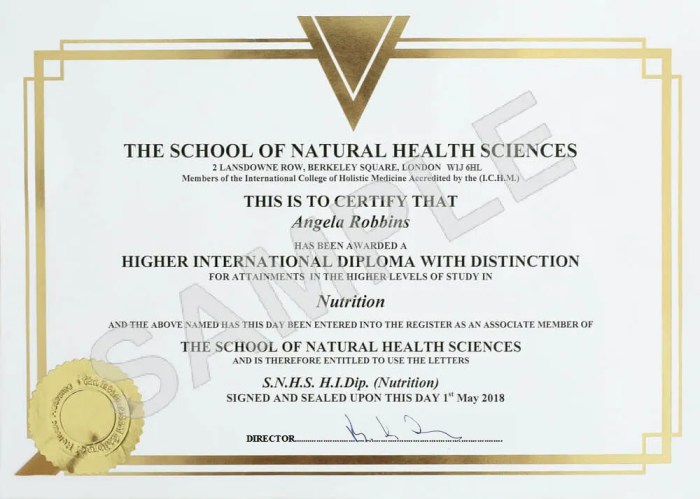
Source: naturalhealthcourses.com
Online diploma courses have emerged as a vital tool for enhancing educational accessibility on a global scale. As more students seek opportunities beyond their borders, these programs offer flexible and inclusive learning pathways tailored to the unique needs of international learners. The ability to study remotely breaks down geographical barriers, allowing students from diverse backgrounds to acquire new skills and knowledge without the constraints of traditional classroom settings.The significance of online diploma courses lies in their capacity to cater specifically to the diverse needs of international students.
These courses provide an adaptable learning framework that accommodates different time zones, cultural contexts, and varying levels of academic preparedness. Furthermore, the increasing availability of high-speed internet globally has made it easier for students from even the most remote locations to participate in quality education. This accessibility is particularly crucial for those who may face logistical challenges or financial constraints that make traveling for education impractical.
Benefits of Online Learning Environments Compared to Traditional Classrooms
Online learning environments present several advantages over conventional classroom settings, particularly for international students. First, the flexibility of online courses allows learners to schedule their studies around personal and professional commitments. This is especially beneficial for students who may be balancing work or family responsibilities while pursuing their education. Second, online platforms often provide a wider range of courses and programs than what might be available locally.
Students can enroll in specialized programs from institutions worldwide, giving them access to diverse curricula and expert instructors.Additionally, the interactive features of online courses, such as discussion forums, webinars, and multimedia resources, enrich the learning experience. These elements foster collaboration among peers from different cultural backgrounds, promoting a global perspective on education.Here are some key benefits of online learning environments:
- Cost-effectiveness: Online courses typically incur lower tuition fees and eliminate costs associated with commuting and housing.
- Self-paced learning: Students can progress through the material at their own speed, allowing for a deeper understanding of complex subjects.
- Access to diverse resources: Online platforms often include a wealth of resources, such as e-books, videos, and interactive simulations, enhancing the learning experience.
- Networking opportunities: Online education enables students to connect with a global community, expanding their professional network and enhancing cultural exchange.
- Enhanced technical skills: Engaging with digital learning tools prepares students for the modern workforce, equipping them with valuable technological competencies.
“Online diploma courses not only democratize access to education but also nurture a global learning community that transcends borders.”
These benefits collectively contribute to a more enriching, flexible, and accessible educational experience for international students pursuing online diploma courses.
Types of Online Diploma Courses Available: Online Diploma Courses For International Students

Source: getmyuni.com
Online diploma courses have become a popular choice for international students seeking to enhance their skills and knowledge from the comfort of their own homes. These programs are diverse, catering to various interests and career paths, making higher education more accessible than ever before. The flexibility of online learning allows students to balance their studies with other commitments, while also gaining qualifications that can lead to better job opportunities.There are different types of online diploma courses available, ranging from professional development to academic disciplines.
Understanding the differences between accredited and non-accredited programs is essential for making informed decisions about your education. Accredited courses generally offer qualifications recognized by employers and educational institutions, while non-accredited programs may provide valuable learning experiences without formal recognition.
Fields and Disciplines of Online Diploma Courses
The variety of online diploma courses is vast and encompasses numerous subject areas. Here are some of the popular fields and disciplines available:
- Business Administration
- Information Technology
- Health Care Management
- Graphic Design
- Digital Marketing
- Project Management
- Education and Training
- Hospitality Management
- Environmental Science
- Social Media Management
These courses cater to different target audiences, including working professionals looking to enhance their skills, recent high school graduates seeking additional qualifications, and individuals looking to switch careers.
Accredited vs. Non-Accredited Diploma Programs
When choosing a diploma program, understanding the distinction between accredited and non-accredited options is crucial. Accredited programs are evaluated by recognized accrediting agencies and typically meet certain educational standards. Completing an accredited program can enhance your employability and may be required for further education, such as a bachelor’s degree.In contrast, non-accredited programs might offer valuable skills but lack formal recognition.
These programs can still be beneficial for personal development or specific job roles where formal education is not a prerequisite.
Table: Categorization of Online Diploma Courses
The table below categorizes online diploma courses based on their subject areas and intended audiences, helping prospective students identify the right fit for their goals.
| Subject Area | Target Audience |
|---|---|
| Business Administration | Professionals, Entrepreneurs |
| Information Technology | Tech Enthusiasts, Career Changers |
| Graphic Design | Creative Individuals, Designers |
| Health Care Management | Health Professionals, Administrators |
| Digital Marketing | Marketers, Business Owners |
This table serves as a guide for learners to navigate their choices and find programs that align with their career aspirations and existing skills.
Admission Requirements for International Students
For international students aspiring to enroll in online diploma courses, understanding the admission requirements is crucial. These requirements ensure that students have the necessary qualifications and preparedness to succeed in their chosen programs. Here, we will delve into the essential documents, language proficiency, standardized tests, and any additional steps that may be necessary for international students looking to gain admission to their desired courses.
Essential Documents and Qualifications
The admission process for online diploma courses typically requires several key documents and qualifications. Submitting these materials accurately is vital to secure a spot in the program. The following items are generally required:
- Completed application form: A formal application needs to be filled out, usually available on the institution’s website.
- Academic transcripts: Official records from previous schools or universities showcasing completed courses and grades are essential.
- Proof of prior qualifications: International students must present diplomas or certificates from prior educational institutions.
- Passport copy: A valid passport is required to verify the identity and nationality of the student.
- Resume or CV: A detailed account of academic and professional experiences may be requested.
Language Proficiency and Standardized Tests
Most institutions require international students to demonstrate proficiency in the language of instruction, typically English. This can often be proven through standardized tests. Here are some common requirements:
- TOEFL (Test of English as a Foreign Language): Many universities specify a minimum score for admission.
- IELTS (International English Language Testing System): Similar to TOEFL, IELTS scores are often required, with particular band scores for different programs.
- Duolingo English Test: Some institutions accept this newer online test as evidence of English proficiency.
- Other forms of assessment: Occasionally, institutions may have their own tests or alternative criteria for assessing language skills.
“Language proficiency is not just a requirement; it’s a gateway to understanding course material and engaging with peers.”
Additional Steps for Course Admission
International students may need to navigate additional steps specific to their situation. These can include:
- Visa documentation: Depending on the country of study, students may need to acquire a student visa.
- Credential evaluation: Some institutions require an evaluation of foreign transcripts to ensure they meet local educational standards.
- Financial documentation: Proof of sufficient funds to cover tuition and living expenses is often necessary.
- Health insurance: Many programs require students to have valid health insurance coverage during their studies.
Choosing the Right Online Diploma Course
Selecting an online diploma course is a significant step toward achieving your career aspirations, especially for international students. With the growing number of options available, it’s essential to find a program that not only fits your interests but also aligns with your long-term professional goals. The right choice can enhance your skills, expand your knowledge, and ultimately elevate your career.When evaluating potential online diploma courses, take a systematic approach.
Consider factors such as the course content, duration, and faculty expertise, as these elements can significantly impact your learning experience and career preparation. Each component plays a vital role in determining the quality and relevance of the education you will receive.
Strategies for Selecting the Course
A well-defined strategy can streamline the process of selecting an online diploma course. Here are some essential considerations to guide your decision:
- Identify Career Goals: Clearly Artikel your career objectives. This clarity helps narrow down courses that directly contribute to your aspirations.
- Research Course Content: Examine the syllabus of various programs. Ensure they cover relevant topics that align with your desired skills and knowledge.
- Assess Duration: Consider the time commitment required for each course. Longer programs may offer more comprehensive training, but shorter ones can be more manageable for busy students.
- Evaluate Faculty Expertise: Investigate the qualifications and experience of the instructors. Experienced faculty members often provide valuable insights that can enhance your learning.
Evaluating Course Factors
When comparing multiple diploma programs, it’s crucial to evaluate several key factors that can influence your overall educational experience.
| Factor | Description |
|---|---|
| Course Content | Look for comprehensive coverage of essential topics and practical applications relevant to your field. |
| Duration | Understand the time frame to complete the course and ensure it fits your schedule and commitments. |
| Faculty Expertise | Research the instructors’ backgrounds to ensure they have relevant industry experience and academic credentials. |
Choosing the right diploma course is not just about gaining a qualification; it’s about investing in your future career.
Checklist for Prospective Students
Utilizing a checklist can simplify the evaluation process of online diploma courses. Below are critical considerations to incorporate into your decision-making framework:
- Accreditation: Verify that the institution is recognized and accredited by relevant educational authorities.
- Flexibility: Determine if the course allows for a flexible schedule that can accommodate your lifestyle.
- Support Services: Look into the availability of academic support, such as tutoring or career services.
- Community and Networking: Consider if the program offers opportunities to connect with peers and industry professionals.
Challenges Faced by International Students in Online Learning

Source: studysingapura.com
Online diploma programs offer flexibility and convenience for international students, but they also come with unique challenges that can impact learning experiences. These challenges can range from technical issues to cultural differences, all of which can hinder the academic journey of students studying remotely from different parts of the world.One significant challenge faced by international students in online learning is the difference in time zones.
This can lead to difficulties in scheduling live sessions and participating in real-time discussions with instructors and peers. Communication barriers also play a crucial role; language proficiency may vary, leading to misunderstandings or difficulty in articulating thoughts effectively. These factors can create a sense of isolation and hinder collaboration, which is essential for a rich learning experience.
Impact of Time Zone Differences and Communication Barriers
Time zone differences often result in students needing to attend classes or meetings at odd hours, which can affect their concentration and engagement. This misalignment can lead to missed opportunities for interaction with instructors and fellow students, creating a feeling of detachment from the learning community. Communication barriers stemming from language differences can also impede the academic experience. International students may struggle with nuanced discussions or written assignments, which can affect their overall performance.
To address these challenges, it is essential to employ effective strategies that enhance the online learning experience.To overcome time zone challenges, students can adopt the following strategies:
- Flexible Scheduling: Students should try to negotiate class times that accommodate the majority of participants, reducing the strain of attending sessions at inconvenient hours.
- Recording Sessions: Requesting recorded lectures or discussions allows students to review material at their own pace, ensuring they grasp the content despite time differences.
- Study Groups: Forming study groups with peers from similar time zones can foster collaboration and support, enabling students to share resources and discuss course content effectively.
To tackle communication barriers, consider the following approaches:
- Language Support Services: Utilizing language assistance resources available at the institution can help improve proficiency and comprehension.
- Active Participation: Engaging in forums and discussion boards can enhance confidence in using the language while providing opportunities for interaction.
- Clear Communication with Instructors: Students should not hesitate to reach out to instructors for clarification or assistance, ensuring they have a clear understanding of course expectations.
By employing these strategies, international students can navigate the challenges of online learning more effectively, leading to a more enriching educational experience.
Support Services for International Students
Online diploma programs provide a unique opportunity for international students to pursue their educational goals from anywhere in the world. However, transitioning to a new education system can present various challenges. To ensure students have the necessary resources and support during their studies, institutions offer a range of support services tailored to the needs of international students.These support services play a crucial role in enhancing the student experience by providing academic, emotional, and technical assistance.
Not only do these services help students navigate their academic journey, but they also foster a sense of community and belonging, which is essential for success in an online learning environment.
Types of Support Services
Institutions typically offer a variety of support services aimed at helping international students succeed in their online diploma courses. Here is an overview of the key services available:
| Support Service | Benefits |
|---|---|
| Academic Advising | Guidance on course selection, degree requirements, and academic progress tracking. |
| Counseling Services | Emotional support and mental health resources to help students cope with stress and homesickness. |
| Technical Support | Assistance with online learning platforms, troubleshooting technical issues, and ensuring access to resources. |
| Orientation Programs | Introduction to academic policies, cultural adjustment, and available resources to help students acclimate. |
| Language Support | Resources for improving academic English skills, including tutoring and writing workshops. |
| International Student Office | Specialized assistance with visa issues, cultural integration, and other international student matters. |
Support services are instrumental in ensuring that international students can effectively manage their studies while adapting to a new educational environment. Each service is designed to address specific challenges faced by these students, thereby enhancing their overall academic experience. By leveraging these resources, international students can focus on their studies and make the most of their online diploma programs.
Career Opportunities After Completing Online Diploma Courses
Completing an online diploma course opens up a multitude of career opportunities for graduates across various industries. These programs equip students with specific skills and knowledge applicable in real-world scenarios, enhancing their employability. In an increasingly digital world, employers are looking for candidates who possess both technical and practical skills that online diploma courses provide.The global job market is evolving rapidly, with many employers valuing skill over formal education credentials.
Online diplomas allow students to cater to the specific demands of the industries they wish to enter, thus bridging the gap between education and employment.
Potential Career Paths for Graduates
Graduates of online diploma courses can pursue a diverse range of career paths, depending on their chosen field of study. Here are some of the prominent opportunities available:
- Information Technology: Fields like web development, software engineering, and cybersecurity are experiencing rapid growth. The demand for tech professionals is expected to increase significantly, with estimates suggesting over 1.4 million new tech jobs by 2026 in the U.S. alone.
- Healthcare: Online diploma programs in healthcare administration, medical billing, and coding prepare graduates for vital roles in hospitals and clinics. According to projections, healthcare occupations are expected to grow by 15% from 2019 to 2029.
- Business and Management: Diplomas in business management, project management, and human resources are valuable in various sectors. The global e-learning market for business training is projected to reach $375 billion by 2026.
- Creative Industries: Online diplomas in graphic design, digital marketing, and content creation are increasingly sought after as businesses enhance their online presence. The demand for digital marketing professionals is anticipated to grow by 10% by 2024.
- Education and Training: Graduates can also enter the field of education as online instructors, trainers, or curriculum developers, which has seen a notable surge due to the rise of e-learning platforms.
Enhancing Employability in the Global Job Market
Online diplomas significantly enhance employability by providing practical skills and knowledge that align with industry standards. Employers are increasingly recognizing the value of online education, especially when it comes from reputable institutions.According to a study conducted by the Online Learning Consortium, about 70% of employers report that online degrees are comparable to traditional degrees in terms of quality. Furthermore, over 60% of organizations plan to hire more candidates with online qualifications in the future.
This trend reflects a shift towards valuing skills and adaptability over purely traditional educational backgrounds.
“Skills acquired through online diploma programs are not just relevant; they are essential in today’s job market, bridging the gap between education and employment.”
Demand for Skills Acquired Through Online Diploma Programs, Online Diploma Courses For International Students
The demand for skills acquired through online diploma programs is on the rise, reflecting the needs of modern industries. Key areas where skills are particularly sought after include technology, healthcare, and management. Recent labor market reports indicate that roles requiring technical expertise, such as coding and data analysis, are among the fastest-growing job categories. A report by the World Economic Forum emphasizes that by 2025, over 85 million jobs may be displaced due to the shift in labor between humans and machines, but 97 million new roles may emerge that are better suited to the new division of labor.
As industries continue to evolve, professionals with the right online diploma qualifications will be well-positioned to take advantage of these emerging opportunities.
Future Trends in Online Diploma Education
The landscape of online diploma education is evolving rapidly, influenced by technological advancements and shifting student demographics worldwide. As international students increasingly turn to online learning as a flexible and accessible option, understanding the future trends in this field becomes essential. This discussion will delve into emerging trends, the impact of technology on course delivery, and predictions about the future accessibility of online learning for international students.
Emerging Trends Affecting International Students
International students are witnessing several trends that directly impact their online diploma education. One significant trend is the rise of micro-credentials, which allow students to gain specific skills or knowledge in a shorter timeframe. These credentials are gaining recognition from employers and can enhance the employability of international students. Another trend is the shift towards competency-based education, where students progress based on their ability to demonstrate mastery of a subject rather than adhering to a traditional timeline.
Impact of Technology on Course Delivery
The integration of advanced technologies is revolutionizing the way online diploma courses are delivered. Online platforms are increasingly adopting artificial intelligence (AI) and machine learning to provide personalized learning experiences. For instance, AI-driven analytics can track students’ progress and tailor course materials to meet individual needs. Additionally, virtual and augmented reality (VR/AR) technologies are being utilized to create immersive learning environments.
This not only enhances engagement but also allows students to practice real-world scenarios in a safe setting.
Predictions for Future Online Learning Landscapes
Looking ahead, the future of online learning appears promising, with increased accessibility and inclusivity for international students. One prediction is the expansion of global partnerships between educational institutions, creating more opportunities for cross-border collaborations. This could lead to shared resources and blended learning environments. Additionally, the proliferation of high-speed internet and mobile technology will facilitate greater access to online courses for students in remote areas, breaking down geographic barriers.
“The democratization of education through online platforms will enable more international students to pursue their academic goals, regardless of their locations.”
With the increasing emphasis on lifelong learning, it is expected that online diploma courses will continue to evolve, accommodating diverse learning preferences and fostering a more inclusive educational landscape. Moreover, as employers increasingly value skills over formal degrees, online diploma programs will likely adapt to meet the dynamic needs of the job market.
Last Word
In summary, Online Diploma Courses For International Students not only enhance educational accessibility but also open doors to exciting career opportunities. As technology continues to shape the landscape of education, the future of online learning looks promising, offering international students the chance to pursue their dreams regardless of their location. These programs not only prepare students for the workforce but also foster a rich, multicultural learning experience that can be invaluable in today’s interconnected world.
Key Questions Answered
What are the costs associated with online diploma courses?
The costs can vary widely depending on the institution and program, but generally, online diploma courses tend to be more affordable than traditional on-campus options.
Are online diplomas recognized by employers?
Yes, accredited online diplomas are recognized by employers, and many appreciate the flexibility and self-discipline required to complete online programs.
Can I work while studying an online diploma course?
Absolutely! One of the advantages of online study is the flexibility it offers, allowing students to balance work and education.
Do online courses have the same quality as traditional courses?
Many online courses are designed to meet the same academic standards as traditional courses, often featuring the same instructors and materials.
What support services are available for international students?
Most institutions offer academic advising, counseling, and technical support tailored to the needs of international students to help them succeed.
